7-Day Southwest Ireland Golf Itinerary: Kerry & Clare
If there is a single Irish golf trip that earns the label “gold standard” for first-time visitors, it is the seven-day southwest swing through Kerry and Clare. This corner of the country compresses more world-ranked links golf into a 90-mile arc than anywhere else on earth. Within a comfortable week, you can stand on the first tee at Ballybunion, navigate Lahinch’s blind shots over the Dell, climb Tralee’s cliffside back nine, pay your respects to Payne Stewart at Waterville, and finish your day on a stool inside a stone-walled pub where someone is almost certainly playing a tin whistle. Few golf itineraries on the planet deliver this density of memorable holes alongside this much culture, scenery, and pure hospitality.
This guide lays out a complete day-by-day southwest Ireland golf itinerary built around a Shannon Airport arrival, a two-base accommodation strategy splitting between Killarney and Lahinch, and a sequence designed to ease into links golf, peak at Ballybunion mid-week, and finish strong on the Clare coast. You’ll find driving times, green fee ranges, hotel and restaurant picks, a realistic cost breakdown, and variations for tighter budgets, premium upgrades, or adding Old Head of Kinsale. By the time you finish reading, you’ll have everything you need to confidently book the trip.
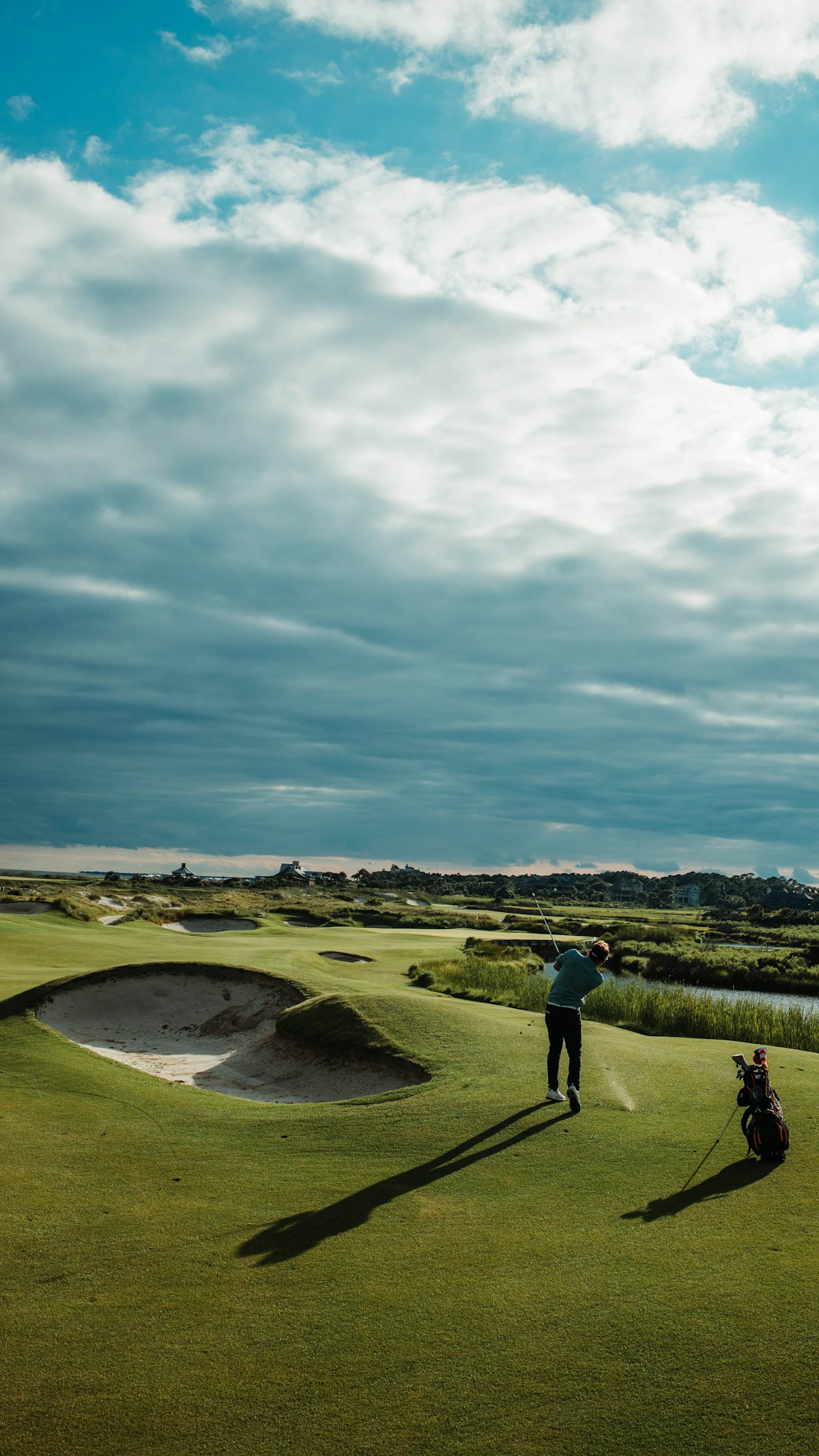
Itinerary at a Glance
Before diving into day-by-day detail, here is the seven-day plan in a single table. Drive times reflect direct routes; allow extra time for scenic stops and Irish road conditions. Green fee ranges represent peak-season visitor rates and typically apply between May and September.
| Day | Course | Accommodation | Drive Time | Green Fee (Peak) |
|---|---|---|---|---|
| Saturday — Day 1 | No golf — arrival day | Killarney Plaza | Shannon to Killarney: 1h 45m | — |
| Sunday — Day 2 | Dooks Golf Club | Killarney Plaza | Killarney to Dooks: 45m | €110–€135 |
| Monday — Day 3 | Waterville Golf Links | Killarney Plaza | Killarney to Waterville: 1h 30m | €280–€325 |
| Tuesday — Day 4 | Tralee Golf Club | Ballygarry Estate, Tralee | Killarney to Tralee: 35m | €235–€275 |
| Wednesday — Day 5 | Ballybunion Old Course | Armada Hotel, Spanish Point | Tralee to Ballybunion to Lahinch: 3h driving total | €295–€345 |
| Thursday — Day 6 | Lahinch Old Course | Armada Hotel, Spanish Point | Armada to Lahinch: 15m | €395–€450 |
| Friday — Day 7 | Doonbeg or rest day | Depart from Shannon | Lahinch to Shannon: 1h | €295–€375 (optional) |
Routing Logic: Shannon Arrival and the Two-Base Strategy
Every well-planned southwest Ireland trip starts with the same logistical decision: fly into Shannon, not Dublin. Shannon Airport sits roughly 90 minutes from Killarney and only 50 minutes from Lahinch, while Dublin requires a four-hour cross-country drive before your golf even begins. Aer Lingus, Delta, and United all operate transatlantic service into Shannon during the golf season. United States customs is pre-cleared on outbound flights, which makes the return journey home meaningfully easier.
Once you’ve landed, the second decision is where to sleep. The southwest can be played from a single base, but it works far better as a two-base trip. The first half of the week sits in Killarney, which gives you efficient access to Dooks (45 minutes), Waterville (90 minutes), and Tralee (35 minutes). The second half shifts to Lahinch or nearby Spanish Point, putting Ballybunion within range of a final Kerry round and placing Lahinch and Doonbeg practically out your front door. Splitting the week this way eliminates roughly five hours of unnecessary back-and-forth driving compared to a single-base plan.
The other element of routing logic is course pacing. Ireland’s links demand a different ball flight, a different short game, and a different mental approach than most American or European parkland courses. Starting at Dooks rather than Ballybunion is intentional. Dooks is gentle, scenic, and forgiving enough to let you find your wind game before the trip’s marquee tests. By the time you reach Ballybunion on Wednesday, your hands are calibrated, your jet lag is gone, and the bucket-list anchor lands the way it should.
Day 1 — Saturday: Land at Shannon, Drive to Killarney
The first day is intentionally golf-free. Most transatlantic flights land at Shannon between 7:00 and 11:00 in the morning, which gives you a full afternoon to settle in without forcing a tee time on tired legs and uncalibrated hands. Pick up your rental car or meet your driver-host, grab a coffee at the airport, and start the 90-minute drive south to Killarney along the N21.
Check in at the Killarney Plaza in the heart of town, drop your bags, and head straight to Killarney National Park for an afternoon walk. The park is one of the most beautiful natural reserves in Europe, with the Lakes of Killarney, the MacGillycuddy’s Reeks rising in the distance, and a network of well-marked walking trails that wind through native oak forest. Aim for the Muckross Lake Loop or the short walk to Torc Waterfall. An hour of fresh air and movement is the single best antidote to overnight flight stiffness, and it primes your body for tomorrow’s first round.
Eat early. The Laurels Pub on Main Street serves a hearty Irish stew and a properly poured pint of Guinness, and aiming for a 6:30 dinner gets you to bed at a reasonable hour. Resist the temptation to push through to a late night session in town; Sunday’s tee time at Dooks will reward you for that discipline.
Day 2 — Sunday: Dooks Golf Club
Dooks is the perfect gentle reintroduction to links golf. Founded in 1889, this par-71, 6,586-yard course sits on the Ring of Kerry between Killorglin and Glenbeigh, with sweeping views toward Dingle Bay and the Slieve Mish Mountains. Green fees run €110 to €135 in peak season, which is a fraction of what you’ll pay later in the week and, frankly, an excellent value for what you get. The fairways are firmer than they look, the greens are subtle, and the wind almost always blows.
What makes Dooks ideal for Day 2 is the design philosophy. The holes are visually open enough that you can see your targets, the bunkering is firm but fair, and there are no blind shots designed to ambush a jet-lagged golfer. The par-3 8th plays toward the bay with the Reeks behind, and the 13th demands a thoughtful approach over a low burn. You’ll finish with a sense of accomplishment rather than the bewilderment that an opening round at Ballybunion can produce.
Drive back to Killarney in the late afternoon, an easy 45 minutes along the Ring of Kerry. Stop at Quinlan’s Seafood Bar in Killarney town for the chowder before retiring early.
Day 3 — Monday: Waterville Golf Links
Waterville is a pilgrimage. The Eddie Hackett and Tom Fazio collaboration plays 7,300 yards from the championship tees and routes through enormous dunes along Ballinskelligs Bay. Green fees range €280 to €325 in peak season. Allow 90 minutes of driving each way from Killarney, but the route along the Ring of Kerry through Sneem and Caherdaniel ranks among the most scenic golf approaches anywhere.
The course earned its global reputation honestly. The opening stretch is relatively benign, but holes 11 through 17 reach genuine championship intensity. The 11th, “Tranquility,” is the par-5 most golfers remember, and the 17th, “Mulcahy’s Peak,” sits atop the highest dune on the property and produces one of golf’s great views. Between the 9th green and the 10th tee stands the bronze statue of Payne Stewart, who was named honorary club captain in 1999 shortly before his tragic death. Take a moment. Most visiting golfers do.
Drive back to Killarney in time for dinner. Tonight is the right night to splurge on a tasting menu at The Park, or on the more casual side, the seafood platter at Cronin’s Restaurant. Tomorrow’s drive to Tralee is short, so you can sleep in by Irish golf trip standards.
Day 4 — Tuesday: Tralee Golf Club
Tralee Golf Club holds a unique distinction: it was Arnold Palmer’s first European design, opened in 1984 on the Barrow Peninsula northwest of Tralee town. Palmer himself reportedly said, “I may have designed the first nine, but surely God designed the back nine.” Green fees in peak season run €235 to €275. The 35-minute drive from Killarney is straightforward via the N22 and N86.
The front nine plays inland-feel through gently rolling terrain near the clubhouse. The back nine is the experience you remember. The 11th, 12th, and 13th run along genuine cliffs above the Atlantic, and the par-3 16th, “Shipwreck,” plays across a chasm to a green pinned against the sea. Wind direction transforms the back nine more dramatically than perhaps any course in Ireland.
After your round, transition lodging. Check out of the Killarney Plaza this morning before your tee time so your bags travel with you. Tonight you stay at Ballygarry Estate Hotel & Spa just outside Tralee. The property is family-owned, gracious, and serves a dinner in their Brooks Restaurant that punches well above its country-house price point. Use the afternoon between golf and dinner for a short loop of the Dingle Peninsula. The drive over Connor Pass to Dingle town and back is roughly two hours of breathtaking coastal road, and Murphy’s Ice Cream in Dingle is worth the detour by itself.
Day 5 — Wednesday: Ballybunion Old Course
This is the day. Ballybunion Old Course is the bucket-list anchor of any southwest Ireland trip, the course Tom Watson once called the place every golfer should play before they die. Green fees in peak season run €295 to €345. From Tralee, the drive to Ballybunion is roughly 50 minutes via the N69. Aim for an early-to-mid morning tee time so the round finishes with daylight to spare for the afternoon repositioning.
The course itself defies easy summary. The opening hole, with the cemetery hard along the right side, is a famously unsettling start. The 7th, 8th, and 11th play through dunes that look like they were lifted from a painting. The greens are some of the firmest in Ireland, the bunkering is unforgiving, and the wind off the Shannon Estuary will dictate your strategy on every tee box. Take a caddie. Caddies at Ballybunion are not optional in spirit even if the club permits unaccompanied play; the local knowledge they bring is worth more than the fee.

After your round, lunch in the Ballybunion clubhouse, then start the 1h 45m drive north to Lahinch. The route crosses the Shannon Estuary on the Tarbert-Killimer ferry, a 20-minute crossing that runs every hour. Treat it as part of the experience rather than a chore; it’s the kind of small Irish ritual that makes the trip memorable. Check into the Armada Hotel at Spanish Point, drop your bags, and pour yourself something restorative in the bar overlooking the Atlantic.
Day 6 — Thursday: Lahinch Old Course
Lahinch is the host of the 2026 Walker Cup and a course that traces its design lineage back to Old Tom Morris in 1894 and Alister MacKenzie in 1927. Green fees rose meaningfully in the most recent rate update, settling around €395 to €450 for peak-season visitor rounds depending on the season window. The Armada is only 15 minutes from the first tee, so you can take a slower morning.
The course itself is a glorious mix of classic links architecture and theatrical quirk. The 4th hole, “Klondyke,” requires a blind second shot over a vertical sand hill. The 5th, “Dell,” is a blind par-3 to a green hidden between two dunes, with only a painted aiming stone for guidance. Modern designers would never build either hole today, which is precisely why every Lahinch round becomes a story. The famous Lahinch goats, weather forecasters in residence and the inspiration for the club logo, may be on the course or huddled near the clubhouse depending on what the afternoon weather has in store.
Plan your afternoon for the Cliffs of Moher. The drive from Lahinch is 20 minutes, the cliffs themselves rise 700 feet straight out of the Atlantic, and the visitor center is well-organized for a short visit. If the weather is fair, you can walk the cliff path north toward Doolin. Dinner that night at Vaughan’s Anchor Inn in Liscannor or back at the Armada caps off the trip’s emotional high point.
Day 7 — Friday: Doonbeg or Rest Day
Day 7 splits into two reasonable approaches. Option A is to play Trump International Golf Links Doonbeg, a Greg Norman original substantially rerouted by Martin Hawtree into one of Ireland’s most photogenic modern links. Green fees range €295 to €375 in peak season, the property is 30 minutes south of the Armada, and the 14th hole is one of the most striking par-3s on the Atlantic coast. If your flight home is in the late afternoon or evening, you can squeeze in an early-morning round and still drive to Shannon comfortably.
Option B is a deliberate rest day. After six straight days of travel and links golf, some bodies are simply done. A leisurely breakfast at the Armada, a slow walk along Spanish Point beach, and a drive back to Shannon via the Burren landscape and Bunratty Castle is just as legitimate a way to finish. There is no rule that says the last day must include another tee sheet.
Whichever option you choose, plan to return your rental car at Shannon at least three hours before your transatlantic flight. United States pre-clearance customs is on-site at Shannon, which adds time to your departure but means you arrive home as a domestic passenger.
Total Cost Breakdown
Costs vary based on accommodation tier, whether you hire a chauffeur, and your own appetites in the pub. The table below gives realistic per-golfer ranges for a peak-season trip with mid-tier hotels, a rental car split between two travelers, and caddies on the marquee courses.
| Category | Per-Golfer Estimate | Notes |
|---|---|---|
| Green fees (5 rounds) | €1,415–€1,705 | Dooks, Waterville, Tralee, Ballybunion, Lahinch |
| Optional 6th round (Doonbeg) | €295–€375 | Skip for rest day savings |
| Caddies (3 rounds, suggested) | €225–€300 | Ballybunion, Waterville, Lahinch tip-inclusive |
| Hotels (6 nights, mid-tier) | €900–€1,350 | Based on shared occupancy |
| Food and drink | €350–€550 | Pubs to one or two splurge dinners |
| Rental car (split 2 ways) | €275–€425 | Includes fuel and ferry |
| Driver-host alternative | +€1,200–€1,800 | Replaces rental car if preferred |
| Total (rental car version) | €3,165–€4,330 | Without Doonbeg |
| Total (driver-host version) | €4,365–€6,130 | Without Doonbeg |
Add international flights to your home airport on top, which typically run $700 to $1,400 from US gateway cities depending on season and how early you book.
Where to Stay
Killarney Plaza Hotel & Spa
The Killarney Plaza is a four-star anchor in the center of Killarney town with rooms that face either the bustling streetscape or the surrounding hills. The location is the strength: you can walk to a dozen restaurants, two dozen pubs, and the entrance to the National Park within ten minutes. Their breakfast is generous, the spa is genuinely useful after a long day in the wind, and the staff handle golf logistics easily.
Ballygarry Estate Hotel & Spa
Ballygarry is a country estate hotel just outside Tralee, set on landscaped grounds with mature gardens. The Brooks Restaurant on property is one of the better dining rooms in Kerry, and the Nadúr Spa offers a hydrotherapy circuit that is a small revelation after a day at Tralee Golf Club. Family-owned and operated, the service feels personal in a way that the larger urban hotels rarely match.
Armada Hotel
The Armada at Spanish Point sits on a curve of Atlantic coastline 15 minutes from Lahinch and 30 minutes from Doonbeg, which makes it the optimal Clare base for the back half of the trip. Sea-view rooms face west into the sunsets, the bar pours a serious whiskey list, and the Cape Restaurant uses Clare seafood pulled from the bay below the property. It is not the largest or grandest hotel in the area, but it is by far the best located for this itinerary.
Where to Eat
The southwest’s food scene has improved dramatically over the last decade. Here are reliable picks for each stop on the itinerary.
- Killarney — The Laurels Pub: Traditional Irish stew, live trad music most nights, and a proper Guinness pour. The right room for your first night.
- Killarney — Quinlan’s Seafood Bar: A family of fishermen turned restaurateurs. The seafood chowder is the best in the region and the fish and chips are a serious version of the dish.
- Killarney — The Park Hotel Restaurant: The splurge option. Set tasting menu, classical Irish ingredients, and one of the most thoughtful wine lists in Kerry.
- Tralee — Brooks Restaurant at Ballygarry Estate: Country-house dining with a Kerry lamb dish that justifies the trip alone.
- Dingle — Out of the Blue: Lunch stop on your Dingle Peninsula loop. Catch-of-the-day only, no menu, no compromises.
- Ballybunion — Cashen Course Restaurant: Inside the Ballybunion clubhouse. Casual, hearty, and a perfect post-round lunch before the drive to Lahinch.
- Lahinch — Vaughan’s Anchor Inn (Liscannor): Five minutes from Lahinch town. Seafood, packed dining room, locals on the next stool. Book ahead.
- Spanish Point — The Cape Restaurant at the Armada: Sunset dinner with floor-to-ceiling Atlantic views. Order the Doolin crab.
What to Pack
Irish links golf rewards the prepared and punishes the underdressed. Your packing list should assume rain on at least two days, wind every day, and temperatures swinging between 10°C and 20°C even in summer. Specifically:
- Waterproof jacket and trousers: Not optional. A proper golf rain suit, not a generic windbreaker. Galvin Green and Sunderland are the local standards.
- Multiple gloves: Pack three or four; a wet glove is a useless glove. Rain gloves earn their keep at Lahinch.
- Layers, not bulk: A short-sleeve, long-sleeve, vest, and quarter-zip combination works in any weather you’ll encounter.
- Two pairs of golf shoes: One pair will be wet; the other pair will be drying. Spikes, not spikeless, for genuine grip on damp links turf.
- Beanie and rain cap: A traditional flat cap looks the part and sheds water reasonably well.
- Spare golf balls: The wind eats more balls than you expect. Add 50% to whatever you’d normally pack.
- European plug adapters: Ireland uses Type G three-pin sockets. One adapter per device; bring spares.
- Handicap certificate: Some clubs request proof, and it speeds check-in even when not strictly required.
Booking Sequence and Timeline
The marquee courses in this itinerary book up six to twelve months ahead during peak season. The right sequence keeps you from getting locked out.
- 12 months out: Lock in flights to Shannon and request preferred tee times at Lahinch and Ballybunion. These two are the hardest to secure.
- 9 to 10 months out: Add Waterville and Tralee. Both have reasonable visitor availability but the best morning slots disappear early.
- 6 months out: Book Dooks and Doonbeg. These are easier and you have more flexibility.
- 4 to 6 months out: Confirm hotel reservations. The Armada and Ballygarry sometimes sell out their best room categories early; the Killarney Plaza has more flexibility.
- 3 months out: Reserve caddies in writing for Ballybunion, Waterville, and Lahinch. Verbal requests can fall through.
- 1 month out: Confirm rental car or driver-host. If using a rental car, spring for the larger vehicle that fits four golf bags plus luggage.
- 2 weeks out: Reconfirm tee times and hotel arrival days. Mistakes happen and they’re easy to fix at this stage, expensive to fix on arrival.
Variations: Tighter Budget, Premium Upgrade, Add Old Head
Tighter Budget Version
To bring per-golfer cost into the €2,400 to €2,800 range, swap Waterville for a second round at Dooks or for Killarney Golf & Fishing Club’s Killeen Course (€140 to €180), drop the optional Doonbeg round, skip caddies on two of the three marquee courses, and trade the Ballygarry Estate for a B&B in Tralee. The trip remains genuinely excellent. Most of what makes the southwest special is the geography and the courses themselves, not the four-star hotel rooms.
Premium Upgrade Version
The premium version moves your accommodation to the Killarney Park Hotel and Trump International Hotel Doonbeg, replaces the rental car with a chauffeured driver-host throughout, adds caddies on every round, and books the Park Hotel’s tasting menu plus a private whiskey tasting at a Killarney distillery. Total per-golfer cost rises into the €6,500 to €8,500 range, but you eliminate every logistical concern and gain a genuinely white-glove experience.
Add Old Head of Kinsale
Old Head of Kinsale is one of the most photographed courses in the world, sitting on a 220-acre headland surrounded on three sides by the Atlantic. Adding it to a seven-day southwest itinerary requires extending the trip to nine days or making a structural change. The cleanest approach is to fly into Cork Airport, play Old Head on Day 1, then move to Killarney for the standard Kerry sequence and finish in Clare. Green fees at Old Head run €395 to €495. The driving adds two to three hours, but the course is worth it for golfers who collect bucket-list venues.
When to Go (Best Months)
The southwest’s golf season runs from April through October, with the genuine sweet spots being May, June, and September.
- April: Courses are reopening to peak conditions and green fees are slightly lower. Weather is variable. Daylight reaches 14 hours by month-end. Good value if you accept some risk of cold or wet rounds.
- May: Arguably the ideal month. Long daylight, generally drier than April, gorse and wildflowers in bloom across links land. Fees climb toward peak but not yet at full summer levels.
- June: Peak season begins. Daylight stretches past 10 PM, weather is usually warm and pleasant, and the courses are in full championship condition. Book everything as early as possible.
- July to August: Full peak. Highest fees, busiest tee sheets, occasional crowds at the Cliffs of Moher and other tourist sites. Weather is reliably warm but the wind never goes away.
- September: The best-kept secret. Fees ease, daylight is still adequate, weather often outperforms summer, and the courses are in their fall firmness. The 2026 Amgen Irish Open at Doonbeg this September will impact availability locally.
- October: Shoulder season prices and quieter courses, but daylight shrinks toward 10 hours and weather variability climbs. Acceptable for hardy golfers.
FAQ
Should I rent a car or hire a driver?
If you’re confident driving on the left, comfortable on narrow rural roads, and traveling with a partner who can split fuel and ferry costs, a rental car is the more economical choice. Solo golfers, larger groups, or anyone uneasy with Irish roads should consider a chauffeured driver-host. The premium is real (€1,200 to €1,800 per golfer for the week) but the local knowledge, eliminated logistics, and ability to enjoy a pint without watching the clock are genuine value.
Do I need a handicap certificate?
Most southwest courses request a handicap of 28 or better for men and 36 or better for women. Lahinch and Ballybunion may ask to see proof during peak season. Bring a screenshot of your World Handicap System index or a printed certificate from your home club. Possessing one almost never hurts; lacking one occasionally does.
Can I walk all the courses, or do I need a cart?
Walk every round if you are physically able. Irish links courses are designed to be walked, and the routing reveals itself entirely on foot. Caddies are available at the marquee venues; trolleys are available at every course on this itinerary. Buggies (carts) are restricted at some clubs and may require a medical letter at Ballybunion. Plan to walk; you will not regret it.
What about weather contingencies?
Irish links almost never close for weather; rounds proceed in conditions that would close most American courses. Lightning is the only true stoppage trigger. Build your packing list accordingly and embrace it; playing through a passing squall is part of the trip’s identity.
How much cash should I carry?
Most pubs, restaurants, and clubs accept credit cards. Cash matters for caddie tips (€40 to €60 per round on top of the caddie fee is the standard), small village pubs in Kerry, and the Tarbert-Killimer ferry if you take that route. Carry €300 to €400 in cash for a week and you’ll have plenty.
Can I bring my own clubs or rent on arrival?
Bring your own. Most airlines charge a reasonable golf-bag fee, and your familiar clubs matter more than you’d think on courses this demanding. Rental sets are available at every course but quality varies, and you’ll spend the first three holes adjusting to unfamiliar feel.
Final Thoughts
The seven-day Kerry-and-Clare itinerary remains the gold-standard introduction to Irish golf for one straightforward reason: it puts you on five or six of the world’s best links courses inside a week, anchors you in two genuinely beautiful base towns, and gives you enough cultural and scenic margin to come home feeling like you visited Ireland rather than just played golf in it. The pacing matters. The two-base strategy matters. Starting at Dooks rather than Ballybunion matters. So does taking the rest day on Friday if your body needs it, and so does standing for thirty seconds at the Payne Stewart statue on Monday morning.
Book your flights to Shannon a year ahead. Lock in Lahinch and Ballybunion the same week you book the flights. Build the rest of the trip around those four anchor reservations and trust the routing logic outlined here. By the time you stand on the first tee at Dooks next May or September, the planning will fade and what’s left is the wind, the dunes, the goats, and seven days of links golf in the place that invented the genre.
Slainte, and play well.
Leave a Reply