Best Parkland Golf Courses in Ireland You Need to Play
Opening Paragraphs
Ireland has earned its reputation as one of the world’s premier golfing destinations, attracting golfers from every continent who come to experience its unique blend of natural beauty, challenging courses, and warm hospitality. While the country is perhaps most famous for its dramatic links courses that hug the Atlantic coastline, Ireland’s parkland golf courses are equally impressive and increasingly recognized as among the finest in Europe. These inland courses offer a distinctly different experience from links golf, combining the strategic challenge of championship-level design with the aesthetic beauty of lush Irish countryside.
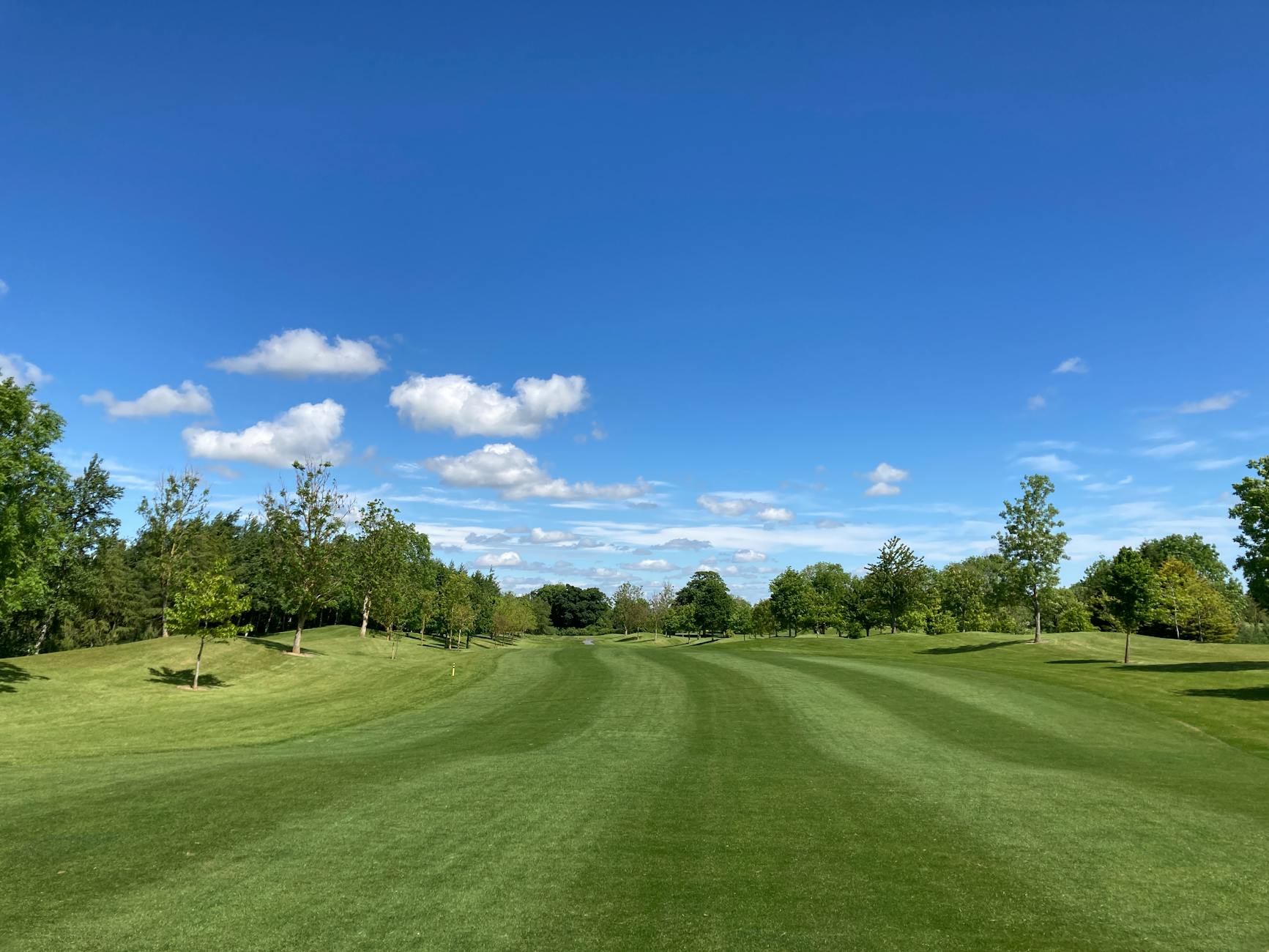
Parkland golf courses are built on inland terrain, typically featuring tree-lined fairways, natural water features, and undulating greens set within 400 to 1,000-acre estates. Ireland’s climate and landscape are ideally suited to parkland development. The country’s temperate weather supports the growth of magnificent mature trees, and the gently rolling terrain of the Irish interior provides perfect conditions for creative course design. Courses like Adare Manor, Mount Juliet, and Druids Glen have been developed on estates that were historically owned by Irish aristocracy, meaning they often benefit from centuries-old landscaping and established woodland.
The Irish parkland golf tradition represents a different challenge from links courses. Where links courses test your ability to manage wind, firm turf, and dramatic elevation changes, parkland courses demand precision, course management, and the ability to navigate tree-lined corridors. Water hazards are more prevalent in parkland layouts, and the rough is typically more forgiving than links rough but still punishing. The best Irish parkland courses also tend to host more tournaments and maintain more consistent conditions throughout the season, making them ideal for golfers seeking a reliable test of their skills.
What Defines A Great Parkland Course
A truly exceptional parkland course combines several essential elements that create a memorable golfing experience. First is routing — the order and flow of holes should guide players through the landscape in a way that feels natural and engaging. The best Irish parkland courses make intelligent use of existing trees, water features, and elevation changes rather than imposing a design on the land. Second is challenge balanced with playability. Great courses present different tests depending on where a golfer plays from, accommodating both championship-level competitors and recreational players.
Conditioning is another crucial factor. Premium Irish parkland courses maintain their fairways, greens, and rough to championship standards year-round. This requires dedicated groundskeeping, substantial investment, and a philosophy that course quality comes first. Courses like Druids Glen, Carton House, and Powerscourt exemplify this commitment, with tightly maintained fairways and lightning-fast greens even during the wetter months.
The quality of the overall experience matters as well. Elite parkland clubs typically offer excellent practice facilities, professional instruction from PGA-qualified pros, and clubhouse amenities that enhance the day. Some of Ireland’s finest parkland courses are integrated into resort properties, which means they can offer accommodation, fine dining, spa facilities, and guided experiences that extend beyond the golf course itself.
Finally, heritage and tournament history add prestige and character. Courses that have hosted major championships, professional tours, and significant amateur events carry the weight of golfing tradition. This history isn’t merely nostalgic — it reflects the course’s consistent quality and its status within the international golfing community.
The Elite Tier: Championship Parkland Courses
Adare Manor Golf Course
Adare Manor stands as Ireland’s most prestigious inland golf course and represents the pinnacle of Irish parkland golf. The resort’s championship course was constructed on the grounds of the historic Adare Manor estate in County Limerick and designed by Tom Fazio, one of the world’s most celebrated course architects. Opening in 1995, Adare Manor has consistently ranked among the world’s top 100 golf courses and will host the Ryder Cup in 2027.
What makes Adare Manor exceptional is the marriage of Fazio’s world-class design with an absolutely stunning natural setting. The course meanders through 900 acres of parkland, with the River Maigue forming a natural boundary for many holes. Ancient oak trees frame fairways, water hazards come into play on nearly every hole, and the elevation changes provide strategic options from every tee. The par-72 layout stretches to 7,300 yards from the championship tees, presenting a serious test for accomplished golfers while offering playable options from the forward tees.
The course features several signature holes that have become iconic in Irish golf. The par-3 14th plays to a dramatic island green, while the par-5 18th offers golfers the chance to finish their round with an aggressive approach shot across water to a peninsula green. Every hole at Adare Manor tells a story and uses the landscape to create both visual drama and strategic challenge.
Adare Manor is exclusively available to resort guests, meaning a stay at the five-star Adare Manor Hotel is required to access the course. This exclusivity helps maintain the course’s pristine condition and member experience. Green fees for resort guests during high season run €380 to €450 per round, with a mandatory caddie fee of €95. The course operates from May through October, with Monday closures except on bank holidays.
Contact Information: +353 (0)61 396124 (general information). Website: adaremanor.com
Mount Juliet Estate
Mount Juliet in County Kilkenny ranks among Ireland’s finest parkland courses and represents the vision of billionaire Michael Flatley, who purchased the estate and invested significantly in course improvements. Designed by Jack Nicklaus and opened in 1991, Mount Juliet measures 7,300 yards, par 72, and occupies rolling terrain in the heart of Ireland’s southeast region.
The Nicklaus design is instantly recognizable for its emphasis on water hazards and contoured greens. More than half the holes feature water in play, and Nicklaus’s signature elevated greens with dramatic falloffs demand precision approach shots. The course sits on 560 acres of manicured parkland, with fairways lined by mature trees that frame each hole beautifully. Elevation changes throughout the property create constant visual interest and encourage golfers to recalibrate their perspective on nearly every approach.
Mount Juliet hosted the Irish Open in 2002, adding to its championship pedigree. The course has undergone continuous improvement and now features modern irrigation systems, championship-condition greens built to USGA specifications, and practice facilities that rival any Irish course. The on-site Michelin-starred restaurant and luxury hotel accommodation make Mount Juliet a premier golf resort destination.
Visitors must hold a certified handicap and produce a Handicap Certificate when signing in. Club hire is available at €90 per set, including two sleeves of balls. Buggy rental costs €60 per round and includes GPY systems with live pin positions. For up-to-date green fee pricing, contact the golf shop at +353 (0)56 777 3012 or email golfreservations@mountjuliet.ie.
Website: mountjuliet.ie
The K Club Resort
The K Club in Straffan, County Kildare, offers two championship courses designed by legendary golfer Arnold Palmer, making it a unique dual-course resort that caters to golfers of all abilities. Located just 30 minutes west of Dublin City Center, the K Club has been a centerpiece of Irish golf since the mid-1990s.
The Palmer North Course hosted the Ryder Cup in 2006, the first time this prestigious event was held in Ireland. This tree-lined traditional parkland course tests accuracy and course management, with narrow fairways and strategic bunker placement creating constant decision-making for golfers.
The Palmer South Course, opened in 2003, presents a contrasting inland-links style experience. Built on over 200 acres of previously featureless farmland, the South Course features dramatic mounding, extensive water hazards, and expansive sloping greens that resemble links-style putting surfaces. At 7,300 yards, it was once the longest course on the European Tour circuit. The transformation of bland terrain into a world-class championship layout stands as one of golf architecture’s notable achievements.
Both courses are open to visitors. 2026 green fees are as follows:
January through March: Hotel guests €60, non-guests €65 per round
April through October: Hotel guests €100, non-guests €130 per round
Caddie fees are available at €75 for single bag, €150 for double bag, and €150 for fore-caddy walkers.
Contact Information: +353 (0)1 601 7200. Website: kclub.ie
Druids Glen
Druids Glen stands as one of Europe’s most visually stunning golf courses and carries the nickname “Augusta of Europe” for its resemblance to the American Masters venue. Located in County Wicklow just 30 minutes south of Dublin, Druids Glen opened in 1995 to immediate acclaim and won European Golf Course of the Year in 2000.
Designers Pat Ruddy and Tom Craddock created the original layout, and the course underwent a comprehensive renovation completed in 2023. Now a 7,222-yard, par-72 course built to USGA specifications, Druids Glen showcases dramatic water features, island greens, and strategic bunkering on virtually every hole. The course is set within 400 acres of beautifully landscaped parkland nestled between the Irish Sea and the Wicklow Mountains.
What distinguishes Druids Glen is its famous back-nine stretch — often compared to Augusta’s Amen Corner — that begins at the par-3 12th. This iconic hole is modeled after the Golden Bell at Augusta National and plays to a dramatic island green with an ancient druids’ altar located behind the green. The following holes continue the challenging nature of this pivot section, where Druids Glen showcases its most dramatic architecture.
Druids Glen hosted the Irish Open from 1996 to 1999, attracting world-class professional players and cementing its status as a major championship venue. The course has featured in numerous international rankings and consistently appears among Europe’s top 20 parkland courses.
Green fee at Druids Glen for 2026 is €150 per round. The course is part of the Druids Glen Hotel & Golf Resort, which offers accommodation options for guests seeking a complete resort experience.
Contact Information: +353 (0)1 287 3600. Website: druidsglenresort.com
Championship Parkland Courses
Carton House Golf Club
Carton House near Maynooth in County Kildare operates as a championship-level resort with two outstanding courses designed by golf legends Colin Montgomerie and Mark O’Meara. Located just 14 miles west of Dublin City Centre and 30 minutes from Dublin Airport, Carton House attracts both Dublin-based golfers seeking a day trip and international visitors planning a full Irish golf experience.
The Montgomerie Course was designed with links principles in mind, channeling the Scottish golfer’s experience at Royal Troon. The course features strategic bunkering, firm turf conditions, and a routing that creates constant interest. It hosted the Irish Open in 2005 and 2006, confirming its championship credentials. The Montgomerie Course offers a more traditional parkland experience with emphasis on shot-making.
The O’Meara Course, measuring over 7,000 yards, represents one of the finest courses constructed in Ireland since 2000. O’Meara’s design philosophy emphasizes playability alongside challenge, with wide fairways that reward aggressive play yet demand precision on approach shots. The course features exceptional conditioning and strategic design throughout 18 holes.
Carton House recently hosted the KPMG Women’s Irish Open, further establishing its status as a premium championship venue. The resort offers luxury hotel accommodation, multiple dining options, and comprehensive practice facilities. The combination of two distinct courses ensures visitors can enjoy variety during a multi-day stay.
For current green fee pricing and availability, contact Carton House at +353 (0)1 651 7727 or visit cartonhouse.com/golf
Killarney Golf & Fishing Club
Killarney Golf & Fishing Club represents one of golf’s most storied venues, having hosted the Irish Open six times and counting. Founded in 1893, the club sits within Killarney National Park in County Kerry, surrounded by the lakes of Lough Leane and framed by the Macgillycuddy Reeks Mountains — a setting of unmatched natural beauty.
The club operates three courses: the Killeen Course, Mahony’s Point Course, and the nine-hole Lackabane Course. The Killeen Course, originally designed in 1972 by Eddie Hackett and Bill O’Sullivan, has undergone two major renovations. The most recent update by Donald Steele in 2006 modernized conditioning while preserving the original character. The course features tree-lined fairways, water on nearly every hole, and spectacular mountain views. At par 72 stretching 7,068 yards, it presents a significant test for accomplished golfers.
Mahony’s Point, set within the breathtaking Killarney National Park landscape, offers a distinctly different parkland experience. The scenic beauty of this course rivals any in Ireland, with holes set against dramatic mountain backdrops and lake views.
Killarney’s championship history is without peer in Irish golf. The venue has hosted the Irish Open six times between 1991 and 2019, meaning top professional golfers have competed here repeatedly, validating its status as one of Europe’s elite parkland courses. The annual Killarney Golf Festival draws thousands of amateur golfers to experience the same courses where European Tour professionals compete.
Green fees for Killarney Golf & Fishing Club are €130 per round for the championship courses. Contact the club for visitor reservations at +353 (0)64 663 1034 or reservations@killarneygolfclub.ie.
Fota Island Resort
Fota Island in County Cork offers a unique three-course complex configuration providing 27 holes of championship-quality parkland golf. Located just minutes from Cork City, the resort features the Deerpark (par 71), Belvelly (par 72), and Barryscourt (par 73) courses spread across 780 acres designated as an Outstanding Landscape in Ireland.
Golf has been played at Fota Island since as far back as 1886, making it potentially Ireland’s second-oldest golf club. The original course deteriorated after World War I and was abandoned until 1993, when Christy O’Connor Jr. and Peter McEvoy designed a new championship layout. Jeff Howes completed a redesign in 2000 that modernized conditioning while preserving the strategic character.
Fota Island hosted the Irish Open in 2001, 2002, and 2014, plus the PGA Europro Audi Cork Irish Masters in 2011 and 2012. The course’s rolling parkland setting, framed by mature woodland with stunning views of Cork Harbour, creates an exceptionally beautiful golfing environment. The Fota Island Golf Academy, located near the clubhouse, offers Trackman video analysis, personal training, strength and conditioning facilities, and coaching from PGA professionals.
Green fees at Fota Island Resort are €80 to €100, with group green fees available starting at €70 per person. Club hire costs €50 per set, buggy hire costs €45 per round, and electric trollies are €20. Contact the resort at +353 (0)21 4883700.
Website: fotaisland.ie
Powerscourt Golf Club
Powerscourt Golf Club sits within the magnificent 1,000-acre Powerscourt Estate in the heart of County Wicklow, just 12 miles south of Dublin City Centre. The estate’s abundant mature trees and natural features provide an exceptional backdrop for two of Ireland’s finest championship courses, which opened in 1996.
The East Course, designed by Peter McEvoy (a former Walker Cup Captain), offers a serious test especially from the championship tees beyond 7,000 yards. The course has hosted major tournaments including the Irish PGA Championship and European Tour Irish Senior Open. McEvoy’s design emphasizes strategic play and rewards accurate shot-making.
The West Course, designed by David McLay Kidd, meanders through the estate offering wonderful views of the Wicklow Hills and Irish Sea. While more compact than the East Course, measuring 6,345 metres from the championship tees, the West Course combines parkland with links characteristics, creating a unique experience. The blend of strategic hole design with breathtaking scenery makes every round at Powerscourt memorable.
Both courses are currently rated among Ireland’s top 20 parkland venues and are open to visitors seven days per week. Green fees range from €60 to €90 depending on season, with winter rates (November to March) lower than summer rates (April to October). Green fees also vary by day of week, with weekend rates higher than weekdays.
For current rates and booking information, phone +353 (0)1 204 6033 or email golf@powerscourt.net.
Website: powerscourtgolfclub.com
Best Value Parkland Courses
While Ireland’s premier parkland courses offer world-class experiences, several excellent courses provide outstanding value and genuine championship challenges at more modest green fees. These courses deserve serious consideration from visiting golfers and are often less crowded than the most famous venues.
Mullingar Golf Club
Mullingar in County Westmeath represents a gem of traditional Irish parkland golf. Designed by legendary architect James Braid and opened in 1937, the course exemplifies the timeless principles of great course architecture. Set in mature parkland that was once part of the historic Belvedere Estate, Mullingar measures 6,685 yards at par 72 with a classic balance of 10 par-4s, 4 par-5s, and 4 par-3s.
The signature par-3 2nd hole, measuring 209 yards from an elevated tee, is considered one of Ireland’s finest par-3s. The course emphasizes shot-making over length and showcases Braid’s philosophy that great courses should challenge without overwhelming. Since 1963, Mullingar has hosted the Mullingar Scratch Trophy, one of Ireland’s leading amateur tournaments, which speaks to the course’s consistent quality and challenge.
Naas Golf Club
Naas in County Kildare represents the authentic Irish parkland experience. Founded in 1896 as County Kildare Golf Club, the club has undergone four relocations before settling at Kerdiffstown in 1941. The current layout, stretched to 18 holes and measuring 6,232 yards at par 71, features tree-lined fairways on rolling terrain.
Recent improvements completed in 2017 by reGOLF Design restored bunkers in classical style with steep-faced, grass-down lips using layers of fescue turf in a links-like revetted manner. This modernization enhanced conditioning while preserving the course’s character. Located between Johnstown and Sallins, Naas offers excellent value and represents how traditional Irish parkland golf continues to evolve.
Woodbrook Golf Club
Woodbrook in County Wicklow sits on 100-foot cliffs overlooking the Irish Sea just south of Dublin. Established in 1921 as a private club by Sir Stanley Cochrane and originally designed by renowned architect Harry S. Colt, Woodbrook has been thoroughly redesigned by contemporary architect Peter McEvoy.
With an unusual configuration featuring five par-3s and five par-5s, Woodbrook’s routing creates constant variety. The elevated coastal setting provides dramatic views and unique conditions as players navigate tree-lined inland sections and cliff-top holes. Recently, excellent new holes designed by McEvoy in 2023 elevated Woodbrook’s status, and the course made its first appearance in the 2026 Irish Golfer Top 100 rankings. Woodbrook is described as “Ireland’s most colourful parkland” and offers an increasingly compelling case for inclusion among Ireland’s premium courses.
Headfort Golf Club
Headfort in County Meath represents one of Ireland’s finest 36-hole parkland complexes. Established in 1928 and located in Kells, just 35 minutes from Dublin via the M3 motorway, Headfort operates both an Old Course and a New Course.
The New Course, designed by Christy O’Connor Jr. and opened in 2000, stretches 7,125 yards from the blue tees at par 72. O’Connor Jr. famously described the Headfort land as “the finest he has ever worked with.” The modern parkland layout makes intelligent use of 300-year-old specimens of oak and beech, features two islands, incorporates the River Blackwater, and benefits from Headfort House as a picturesque backdrop.
The course is widely recognized as one of Ireland’s top 10 parkland venues and possibly the best member facility in the country. The 36-hole configuration allows visiting groups to experience variety across two very different layouts.
Castle Barna Golf Club
Castle Barna in County Offaly offers a hidden gem experience for golfers seeking excellent parkland golf away from major tourist routes. Located in the charming town of Daingean along the Grand Canal, this 18-hole par-71 course stretches 5,816 yards and was constructed in 1992.
The course features natural streams, well-manicured fairways, rolling parkland terrain, and plenty of mature trees. The signature par-3 9th hole, “The Barge,” measures just 109 meters but presents a dramatic challenge with the Grand Canal threatening on the right and greenside bunkers catching anything too bold. The welcoming clubhouse offers dining and modern amenities. Castle Barna provides authentic Irish parkland golf at excellent value for visiting golfers.
Tramore Golf Club
Tramore in County Waterford stands as a historic parkland course dating to 1894. Now featuring 27 holes with the Old Course (18 holes) and Newtown Course (9 holes), Tramore sits just south of Waterford with the Comeragh Mountains providing a scenic backdrop.
The undulating terrain features tree-lined fairways, and the entire property stretches across 6,700 yards at the championship level. The club has hosted the Irish Close Championship three times, confirming its status as a quality championship test. In 2012, the Old Course underwent conditioning improvements including USGA-specification greens and bunker redesigns by Jeff Howes Golf Design. Both courses provide value parkland golf in a seaside setting.
Practical Tips For Playing Parkland Golf In Ireland
Planning And Booking
Begin planning your Irish parkland golf trip 12 to 24 months in advance, as premium courses book quickly. Determine your preferred region — Kildare and Wicklow courses are ideal for Dublin-based golfers or those wanting easy access to the capital, while County Limerick provides access to the southwest, and County Kilkenny sits in the southeast.
Book golf courses first, then arrange accommodation, transportation, and other activities around your tee times. Understand that many premier parkland clubs require handicap certificates from visitors, particularly for championship courses and preferred tee times. Contact clubs in advance to confirm requirements.
Seasonal Considerations
The peak season runs April through October, with May through September offering the most reliable weather and longest daylight hours. Late spring through early autumn guarantees the most consistent conditions. However, off-season play (November through March) offers quieter conditions, potentially lower rates, and fewer crowds, albeit with cooler and wetter weather.
Irish weather can change rapidly — a round might begin in sunshine and end in rain. Flexible expectations turn potential weather challenges into memorable stories. Pack waterproof gear and layers regardless of season.
Course Selection Strategy
Most visiting golfers aim for three to five rounds over a seven-day trip, balancing play with rest and sightseeing. Consider your fitness level and weather tolerance when deciding daily play. Some regions offer multiple courses within 30-minute drives, allowing variety without excessive travel. Combining one or two elite-tier courses with several championship courses allows experiencing Ireland’s full parkland spectrum.
Handicap Requirements
Many Irish parkland clubs, especially premium venues, require evidence of a legitimate handicap. Some clubs specifically request a Handicap Certificate from your home club. Scratch golfers and low-handicap players may face more stringent requirements or limitations on tee times. Contact clubs directly to confirm requirements before booking.
Accommodation And Logistics
Reserve accommodation near your preferred courses if early tee times matter for your schedule. Ireland’s road network makes driving between nearby courses manageable. Consider renting a car or arranging small-group transfers rather than relying on public transportation, which has limited reach to many golf clubs.
Several premier parkland courses offer integrated resort accommodations, including Adare Manor (exclusive to resort guests), Mount Juliet Estate, Carton House, Fota Island, and Druids Glen. Staying at a resort course simplifies logistics and often includes golf, meals, and entertainment.
Equipment And Rentals
Most Irish parkland clubs offer club rental (typically €50-90 per set) for visiting golfers. Bringing your own clubs avoids rental fees but adds baggage considerations. Buggy rental costs €45-60 per round depending on the course. Some courses require caddies (particularly Adare Manor), while others make them optional.
Course Etiquette And Standards
Irish courses maintain high standards and expect respectful play. Repair ball marks on greens, rake bunkers properly, maintain pace of play, and stay quiet during others’ shots. Wear collared shirts and tailored shorts or trousers — denim is generally not acceptable. Soft spikes or spikeless shoes are standard; metal spikes are often prohibited.
Planning Your Parkland Golf Trip
Multi-Course Strategy For One Week
A seven-day Irish parkland golf trip might combine two or three elite-tier courses with additional championship courses, allowing golfers to experience diverse settings and designs. One example itinerary:
Day 1: Arrive Dublin, settle accommodation, practice at a nearby driving range
Day 2: Powerscourt (West Course, close to Dublin)
Day 3: Druids Glen (south of Dublin, spectacular beauty)
Day 4: Carton House (Montgomerie Course, west of Dublin)
Day 5: Drive to Killarney (6-hour drive), afternoon at Killarney GCC
Day 6: Killarney GCC (full day, choose between Killeen and Mahony’s Point)
Day 7: Return to Dublin
This itinerary combines three championship-level courses with one elite course, allows time for travel, and avoids excessive daily rounds while showcasing different regions and course designs.
Southwest Ireland Itinerary
Golfers interested in Adare Manor or Mount Juliet might structure a southwest-focused trip
Days 1-3: Adare Manor (requires resort stay, so multiple rounds at the same venue)
Days 4-5: Drive to County Kilkenny for Mount Juliet Estate
Days 6-7: Tramore or Fota Island, depending on final destination
This approach minimizes driving while allowing one full resort experience plus access to multiple championship courses in the southeast region.
Dublin Region Exploration
Golfers based near Dublin with limited travel interest can enjoy five excellent courses within 30-minute drives
Powerscourt (East and West courses, offering two distinct tests)
Druids Glen
Carton House (Montgomerie and O’Meara courses)
K Club (Palmer North and Palmer South)
Woodbrook
This concentration allows experiencing multiple championship courses without extensive driving. Week-long stays in Dublin allow two to three rounds daily if desired.
Value-Focused Itinerary
Golfers prioritizing value might focus on championship courses offering lower green fees
Mullingar GC
Naas GC
Woodbrook GC
Tramore GC
Headfort GC
These courses offer genuine championship tests at reasonable rates while reducing pressure to maximize green fee value. Accommodation costs often matter more than green fees, so staying in rural areas near multiple courses reduces overall expenses.
Resort Experiences
Golfers seeking comprehensive resort experiences should focus on courses offering integrated accommodation:
Adare Manor (exclusive resort access, world-class amenities, premium pricing)
Mount Juliet Estate (luxury resort, championship course, southeast location)
Carton House (five-star hotel, two courses, proximity to Dublin)
Fota Island (three-course complex, resort accommodation)
Druids Glen Hotel & Golf Resort (resort setting, championship course, convenient to Dublin)
K Club (dual-course complex, hotel accommodation, championship Ryder Cup venue)
Each offers accommodation, dining, and resort facilities alongside golf, creating full experiences that justify premium green fees.
Practical Logistics
Visitors arriving in Dublin have two primary airport options. Dublin Airport is the largest hub with connections to major cities worldwide and sits just 30 minutes north of the city center. Cork Airport, serving the south, is convenient for golfers focusing on Fota Island or Kerry courses.
Car rental from either airport enables maximum flexibility in accessing courses across regions. Alternatively, golf tour operators specializing in Irish golf can arrange accommodation, transportation, and golf in coordinated packages, simplifying logistics and potentially reducing overall costs.
Mobile phone coverage in Ireland is excellent nationwide, including remote areas. Advance booking via online systems (most clubs offer email or phone booking) is standard. Many courses use modern GPS-equipped buggies providing live pin positions and distances, enhancing the playing experience.
CONCLUSION
Ireland’s parkland golf courses represent some of Europe’s finest inland golf experiences, combining world-class design, spectacular natural settings, and challenging play. Whether you select elite courses like Adare Manor and Druids Glen, championship venues like Carton House and Killarney, or value-focused courses like Mullingar and Woodbrook, you’ll discover why Ireland has become a premier golf destination.
Planning ahead, understanding course requirements, and balancing premium experiences with excellent value courses allows creating an Irish parkland golf trip matching your preferences and budget. The combination of outstanding courses, warm hospitality, dramatic landscapes, and rich culture makes Irish parkland golf an unforgettable experience.
Leave a Reply