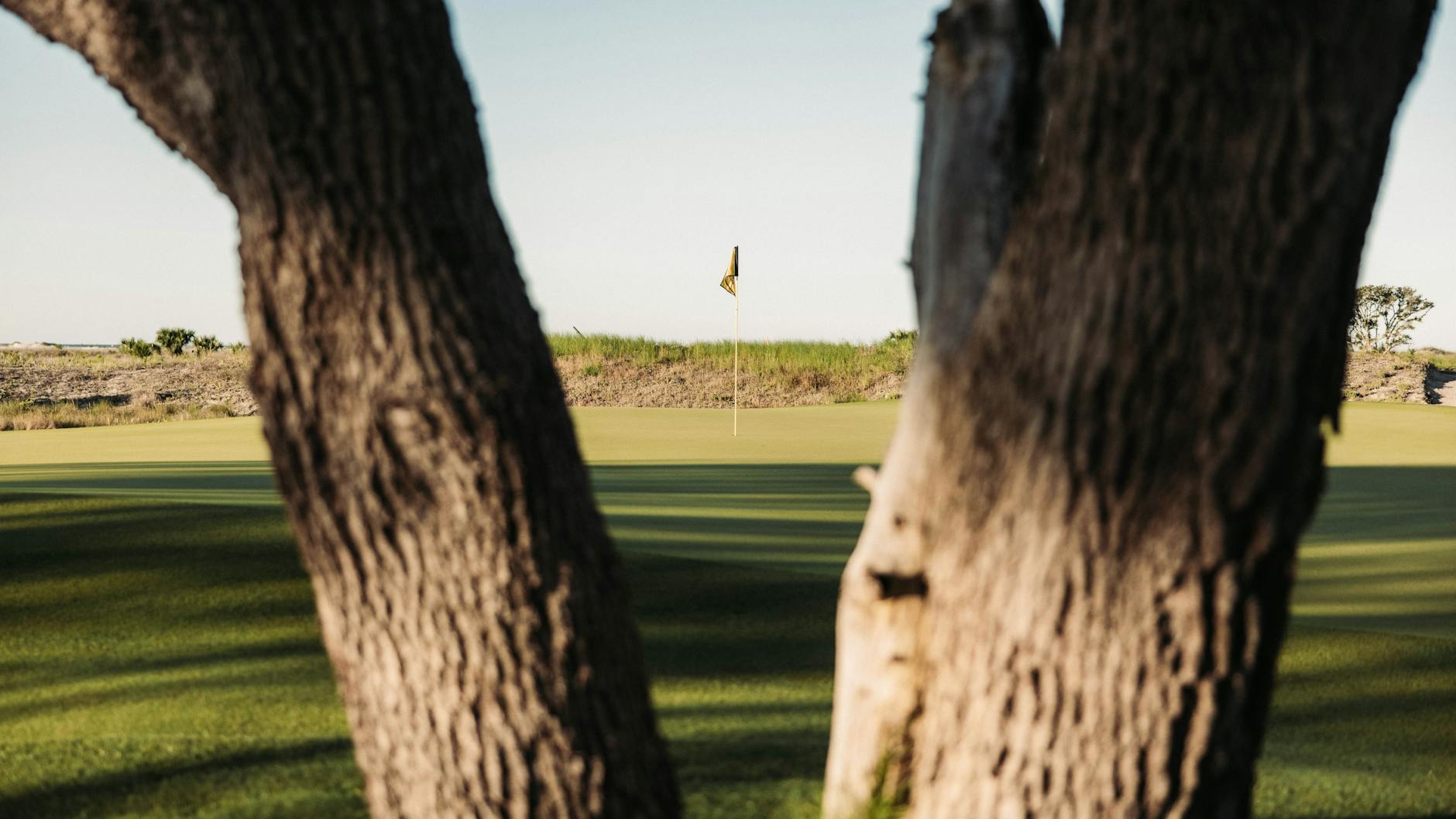
Links vs Parkland Golf in Ireland: What’s the Difference and Which Should You Play?
Introduction
Ireland is often called the golf capital of the world, and for good reason. Nestled on the edge of the Atlantic Ocean, this emerald island boasts a golf landscape unlike anywhere else on earth — a stunning tapestry of coastal links courses carved from windswept sand dunes and lush parkland courses draped across verdant countryside. For visiting golfers, this abundance presents both a golden opportunity and a crucial decision: links or parkland?
Understanding the difference between these two course types is not merely academic. It fundamentally transforms your Irish golf experience. A links course demands respect for elements, quick thinking, and a willingness to embrace uncertainty. A parkland course rewards precision, strategy, and confidence. Neither is objectively “better” — but one will almost certainly suit your game, temperament, and trip goals more perfectly than the other.
This guide explores the characteristics, challenges, and charms of both golf course styles, examines the courses that exemplify each category, and helps you determine which — or ideally, which combination — deserves a spot on your Irish golf itinerary.
What Is Links Golf?
Links golf represents golf in its purest, most elemental form. The term itself derives from the Scottish word “links,” which refers to the sandy, undulating coastal terrain where the game originated centuries ago. An authentic links course sits on linksland — the narrow strip of firm, sandy ground between the sea and cultivated inland terrain.
Terrain And Natural Features
True links courses are defined by their geography as much as their architecture. These courses emerge directly from their environment rather than imposing design upon it. Sand dunes, marram grass, gorse bushes, and native rough grasses dominate the landscape. Holes are routed through natural valleys and hollows, winding between towering sand hills that provide both spectacular vistas and daunting obstacles.
The turf on links courses is firm and thin — a consequence of the sandy soil and coastal climate. This firmness creates a playing surface fundamentally different from parkland courses. The ball runs more freely along the ground, shots bounce unpredictably over undulations, and the mystique of the “bounce and run” shot becomes central to strategy. Bunkers, typically deep pot bunkers with steep sod-faced walls, are strategically positioned in natural swales and at the crests of rises, catching poorly struck shots with ruthless efficiency.
Ireland holds approximately one-quarter of all natural links courses in the world. Current estimates suggest between 45 and 63 links courses exist on the island, depending on how strictly “true links” is defined. This concentration reflects Ireland’s ideal combination of sandy coastal soils, Atlantic-facing geography, and a climate that supports the sparse vegetation characteristic of authentic links turf.
Climate And Weather
Links courses exist in constant conversation with the Atlantic weather system. Wind — whether a gentle zephyr or a gale-force assault — is not an occasional feature but a defining characteristic. The wind can transform a course from manageable to nearly unplayable within hours. A par-72 course that plays as a standard 72 in calm conditions can effectively demand three additional strokes in strong winds.
Precipitation is frequent and unpredictable. Links golfers quickly learn to appreciate the term “soft days” — the misty rain that characterizes many Irish afternoons. These conditions keep the turf receptive and the ground damp, yet the firm substructure ensures excellent drainage. You will rarely, if ever, find a waterlogged fairway on a links course, even after significant rainfall.
The Atlantic climate also creates dramatic seasonal variations. Spring and autumn offer the best combination of manageable weather and fewer crowds. Summer brings longer days but can attract fierce Atlantic storms. Winter is quieter and often less expensive, though cold winds and grey skies are common.
Bunkers And Hazards
Links bunkers differ markedly from their parkland cousins. Deep pot bunkers are the signature hazard. These recessed bunkers, often featuring steep sod-facing and damp, heavy sand, demand specialized recovery technique. The sod-facing prevents the high-blast technique prevalent in American greenside bunker play. Many Irish links bunkers feature “sleepers” — railway tie-like materials that further restrict the angle of escape. At some courses, notably The European Club in County Wicklow, playing out of a bunker with a putter becomes a percentage shot rather than a weakness.
Water hazards exist but are less prominent than on parkland courses. The Irish coastline itself sometimes serves as the ultimate lateral hazard, particularly on holes routed near cliff edges.
History And Tradition
Irish links golf boasts deep historical roots. Many of the island’s oldest and most revered courses were established in the late nineteenth and early twentieth centuries by the architects who defined links golf itself — figures like Old Tom Morris, Harry Colt, and Alister MacKenzie. Lahinch, founded in 1892 and famously praised by Old Tom Morris as “the finest natural course I have ever seen,” exemplifies this tradition.
The tradition of links golf in Ireland connects modern players to centuries of golfing heritage. Walking the same fairways as players did over a century ago creates a tangible sense of continuity and tradition unmatched in most other golfing experiences worldwide.
What Is Parkland Golf?
Parkland golf represents the alternative vision of course design — architecture thoughtfully imposed upon landscape rather than extracted from it. These inland courses, typically carved from rolling countryside estates or woodland, emphasize control, precision, and the controlled elements that define modern championship golf.
Terrain And Design Elements
Parkland courses are fundamentally different in conception from links courses. Rather than working with natural linksland, designers select inland sites — often featuring existing trees, water features, and rolling topography — and shape them into strategic golfing challenges.
Mature trees form the visual and strategic backbone of parkland design. Fairways are typically tree-lined, creating distinct corridors that demand accuracy over distance. Trees serve multiple strategic purposes: they punish wayward shots, provide wind protection, frame dramatic vistas, and create visual definition for hole routing.
Manicured turf is another defining characteristic. Fairways are carefully maintained to provide consistent lies. Rough is thick and penalizing but typically uniform in texture and length. Greens are smooth and true, cut to precise specifications that allow the modern approach shot to stop quickly on target.
Water hazards — lakes, rivers, ponds, and strategic wetland areas — feature prominently in parkland design. These hazards often present shot-or-layup decisions that create strategic nuance. The presence of water also requires sophisticated drainage systems to prevent waterlogging after rainfall.
Playing Environment
Playing a parkland course creates an entirely different sensory experience than links golf. The environment feels controlled and aesthetically pleasing. You move through shaded tree corridors, alongside manicured water features, across precisely maintained playing surfaces. Weather feels less menacing because tree cover provides some wind protection and precipitation drainage is engineered rather than natural.
Parkland courses typically feel more “civilized” than links courses — more akin to playing golf in a carefully maintained park (hence the name). This environment appeals to golfers seeking consistency, predictability, and a sense of order.
Examples And Distribution
Parkland courses greatly outnumber links courses in Ireland. While exact numbers vary, for every authentic links course, there are numerous parkland options. Premium parkland venues include Adare Manor (which will host the 2027 Ryder Cup), The K Club (which hosted the 2006 Ryder Cup), Mount Juliet Resort and Golf Club, Druids Glen, and PGA National Ireland Slieve Russell. These courses represent the pinnacle of parkland golf — championship designs that have hosted major professional events.
Head-To-Head Comparison
The following comparison illustrates the fundamental differences between links and parkland courses
Terrain & Turf
Links: Sandy, undulating, firm, native grasses, minimal vegetation
Parkland: Inland, manicured, softer fairways, tree-lined, cultivated rough
Weather Impact
Links: Highly variable; wind dramatically affects difficulty; unpredictable; exposed
Parkland: Consistent and predictable; tree cover reduces wind; sheltered conditions
DIFFICULTY
Links: Generally harder due to wind, bounces, and firm turf; can vary dramatically day-to-day
Parkland: More consistent difficulty; punishes poor accuracy; rewards precision over creativity
STRATEGY
Links: Emphasis on “ground game,” lower shots, bounce-and-run techniques, adapting to elements
Parkland: Emphasis on aerial golf, distance accuracy, course management, understanding hazard placement
Equipment Approach
Links: Lower-spinning golf balls preferred; lower lofted woods/hybrids; more mid-irons
Parkland: Standard equipment; full range of wedges; distance clubs valuable
WALKING
Links: Typically walkable; often relatively short distances between greens despite large course size
Parkland: Walkable; distances can be substantial; carts sometimes recommended for older golfers
Dress Code & Etiquette
Links: Generally informal; country club atmosphere; jackets not typically required
Parkland: Varies by course; some upscale private clubs strictly enforce dress codes; collared shirts expected at premium venues
Green Fees (2026 Estimates)
Links: Premium courses €350-450; affordable courses €150-250
Parkland: Premium courses €300-400; mid-range €150-250; accessible options €80-150
Course Difficulty For Different Skill Levels
Links: Challenging for all levels; high-handicap golfers may find frustration; intermediate/low handicap players enjoy complexity
Parkland: Varied; championship-level courses recommend 18+ handicap for men, 28+ for women; many accessible options exist
The Best Links Courses To Experience
BALLYBUNION OLD COURSE (County Kerry)
Ballybunion is often cited as the quintessential Irish links experience. The Old Course, founded in 1893, winds dramatically through towering sand dunes on a peninsula overlooking the Shannon Estuary. Tiger Woods and Rory McIlroy chose to practice here together before the 2022 Open Championship, a testament to its enduring quality.
The course features contoured fairways that tumble through grassy dunes, slippery terraced greens embraced by grassy hollows, and deep bunkers positioned with exquisite menace. Green fees for mid-season play are approximately €400
ROYAL COUNTY DOWN (County Down, Northern Ireland)
Royal County Down near Newcastle holds the distinction of being considered by many observers as the finest golf course in the world. The course, founded in 1889, sits beneath the shadow of Slieve Donard mountain, with views across County Down’s rolling landscape.
The opening nine holes feature dramatic routing through gorse and heather with strategic bunkering. The closing nine climbs toward the mountain with increasingly spectacular vistas. The course is consistently ranked among the world’s top five.
PORTMARNOCK (County Dublin)
Portmarnock, founded in 1893 and located on a narrow peninsula just north of Dublin, offers perhaps the purest expression of links golf in Ireland. With 120 bunkers across its layout, Portmarnock is sometimes described as the “Muirfield of Ireland” — a reference to its no-nonsense approach to strategic routing.
The course features wide fairways and open approaches to greens, encouraging the ground game and constant adaptation to wind direction and strength. The par-3s and par-5s are particularly noteworthy, with holes like the iconic par-3 15th serving as strategic anchors.
LAHINCH (County Clare)
Designed by Old Tom Morris and substantially reworked by Alister MacKenzie, Lahinch was described by Morris as “the finest natural course I have ever seen.” This classic links, tucked between a broad sandy bay and the Atlantic, combines the charm of a traditional seaside resort with championship-level golf.
Lahinch features dramatic elevation changes, blind shots that demand local knowledge, and the famous 4th hole — a par-3 called “Dell” that plays from an elevated tee across a valley. The course balances strategic simplicity with operational difficulty.
WATERVILLE GOLF LINKS (County Kerry)
Located on a windblown peninsula in remote southwest Kerry, Waterville represents the ultimate Irish links challenge. Designed by Eddie Hackett and remodeled by Tom Fazio, the course features extraordinarily difficult finishing holes and views across the Atlantic that will steal your breath.
Waterville regularly appears in world top-100 rankings and hosts professional tournament events. The course plays substantially longer than its yardage suggests due to constant wind exposure and firm turf that provides minimal traction.
THE ISLAND GOLF CLUB (County Dublin)
The Island, founded in 1890, sits in the rugged terrain between the highest sand dunes of any links course in Ireland. Located just north of Dublin in Donabate, the course offers genuine linksland character with excellent accessibility for Dublin-based visitors.
Other Notable Links Courses
The Carne at Belmullet sits in splendid isolation on the Atlantic edge of County Mayo, featuring holes laid out on a peninsula amidst gigantic dunes. County Sligo Golf Club at Rosses Point is situated in Yeats country and offers an exhilarating west coast links experience. Rosslare Golf Club in County Wexford features a classic, old-fashioned links with many fine holes among wind-swept sand hills on a narrow peninsula.
The Best Parkland Courses To Experience
ADARE MANOR (County Limerick)
Adare Manor stands as the signature parkland experience in Ireland. This championship course, set on a historic estate, winds along the Maigue River with dramatic design and impeccable conditioning. A massive 2017 renovation elevated the course to new heights, and it has been selected to host the 2027 Ryder Cup — a testament to its standing among the world’s premier courses.
The layout features water features on nearly every hole, tree-lined corridors, and dramatic elevation changes. Green fees reflect its status as Ireland’s premier parkland destination, typically €300-400 for visitors.
THE K CLUB — PALMER NORTH COURSE (County Kildare)
The Palmer North Course at The K Club represents Arnold Palmer’s only design in Europe. The course has hosted 11 European Opens, multiple Irish Opens, and the 2006 Ryder Cup. The layout features water hazards on numerous holes, tree-lined fairways, and impeccably maintained conditioning.
The course provides a championship-level test suitable for experienced golfers, though two courses at the facility accommodate different skill levels and preferences.
MOUNT JULIET GOLF CLUB (County Kilkenny)
Mount Juliet occupies a historic estate with immaculate grounds and world-class conditioning. The course hosted the 2021 Irish Open and represents one of Ireland’s most luxurious golf resort experiences. The layout features rolling terrain, strategic water hazards, and a combination of traditional and modern design elements.
DRUIDS GLEN (County Wicklow)
Nicknamed “Augusta of Ireland” due to its distinctive design and rich floral displays, Druids Glen exemplifies the lush, manicured approach to parkland design. The course features dramatic elevation changes, strategic water hazards, and aesthetic refinement.
Other Notable Parkland Courses
Carlow Golf Club features rolling hills, slick greens, water hazards, elevated tees, uphill par threes, and valleys that challenge golfers. PGA National Ireland Slieve Russell was ranked the No. 1 Parkland Course in Ireland by The Irish Golfers Guide and has hosted European Tour events. Portumna Golf Club offers a thoughtfully designed championship layout that tests golfers of all skill levels while maintaining accessibility.
Heathland: The Third Option
While links and parkland represent the two primary categories, a third category deserves mention — heathland courses. These inland courses combine elements of links golf (firm turf, minimal vegetation, strategic bunkering) with the inland setting of parkland courses.
THE EUROPEAN CLUB (County Wicklow)
The European Club near Brittas Bay represents one of Ireland’s most unconventional designs. The course features a unique 20-hole layout (two extra par-3s are in play most days), spectacular design creativity, and striking visual drama. The bunkering is extraordinarily complex, with features like sleeper-faced bunkers (using railway tie-style construction) that require specialized recovery technique.
The course exemplifies the experimental spirit of modern course design while maintaining the character of traditional links golf. It appeals to golfers seeking architectural distinctiveness and challenge.
Which Should You Play?
The answer depends on your skill level, preferences, and tolerances
Links Golf Is Best If You:
— Enjoy variable challenges and unpredictable conditions
— Have a temperament that adapts to elements and fortune
— Possess intermediate to advanced ball-striking skills
— Are curious about golf history and tradition
— Can embrace frustration as part of the experience
— Enjoy lower-scoring potential through creative shotmaking
Links Golf Presents Challenges If You:
— Prefer predictable, consistent conditions
— Struggle with wind and variable bounces
— Have a high handicap and limited experience
— Become frustrated easily
— Require generous weather conditions
— Play primarily from cart
Parkland Golf Is Best If You:
— Value consistency and control in course conditions
— Prefer strategic accuracy over creative adaptability
— Enjoy tree-framed corridors and manicured aesthetics
— Want championship-level design with accessibility
— Prefer comfortable, sheltered playing environments
— Seek courses that accommodate varying skill levels
Parkland Golf Presents Challenges If You:
— Struggle with tight fairways and accuracy demands
— Dislike tree-lined layouts
— Find water hazards intimidating
— Prefer open, dramatic vistas
— Prefer to walk freely rather than follow defined corridors
The Perfect Mixed Itinerary
The ideal Irish golf trip combines both course types. A mixed itinerary provides variety, balances challenge and confidence, and offers a comprehensive view of Irish golfing culture.
A Five-Day Southwest Ireland Itinerary:
Day 1: Arrive Shannon, play Adare Manor (parkland). This championship course is relatively forgiving and accessible immediately after travel. The resort location ensures comfort after long travel.
Day 2: Lahinch (links) and Waterville (links). These southwest Kerry classics, though demanding, represent essential Irish golf experiences. The dramatic terrain and Atlantic vistas provide unforgettable memories.
Day 3: Ballybunion (links). A full day allows leisurely play of both the Old and newer Cashen courses. The unique setting and tradition-rich environment justify a dedicated day.
Day 4: Return to Adare Manor or play Dromoland Castle (parkland). A parkland course balances the previous three days of links challenges and provides variety in environment.
Day 5: Depart.
An Alternative Dublin-Based Itinerary:
Day 1: Portmarnock (links). Located just north of Dublin, Portmarnock is readily accessible and provides a genuine links experience without extensive travel.
Day 2: The Island or Howth (links). Both courses offer authentic coastal links golf within Dublin area.
Day 3: The K Club (parkland) or Druids Glen (parkland). These premium parkland courses provide championship-level challenge and manicured aesthetics.
Day 4: Return to city for travel.
Planning Considerations
Green Fee Budgeting
Premium courses (Ballybunion, Waterville, Portmarnock, Adare Manor, The K Club) typically require €300-450 green fees. Intermediate courses range from €150-250. Budget-friendly options, including excellent courses at public tracks, may cost €80-150. Most visitors spend €1,500-3,000 total for four to six rounds during a week-long trip.
BOOKING
Championship courses, particularly premium links venues, require advance booking — often 6-12 months for summer season. Spring (April-May) and autumn (September-October) offer excellent conditions with lower fees and fewer crowds than peak summer season. Winter (November-February) is coldest and wettest but offers the lowest fees and virtually no crowds.
EQUIPMENT
Bring weather-resistant clothing — waterproof jackets, sweaters, and rain pants are essential even in summer. Wind protection is critical for links courses. Standard golf equipment is adequate for parkland courses. For links courses, consider lower-spinning golf balls and additional mid-irons, though modern equipment is sufficiently versatile for most golfers.
Transportation
A rental car is highly recommended. Courses are spread across the island, and relying on public transportation significantly limits itinerary flexibility. Green fees are substantial enough that the €30-50 daily car rental cost is minor by comparison.
CLOSING
Ireland offers golf experiences unmatched elsewhere on earth. The choice between links and parkland is not either-or but an opportunity to select the blend that best suits your game and spirit.
Links courses connect you to golf’s origins, demand creativity and adaptation, and reward those who embrace uncertainty and elements. Parkland courses provide strategic precision, championship-level design, and the comfort of manicured environments. Most importantly, they complement each other. The firm, open character of links golf heightens appreciation for the manicured refinement of parkland courses. The strategic simplicity of parkland courses clarifies the complexity and artistry required to master links golf.
Whether you commit entirely to links, embrace parkland exclusively, or combine both course types, Irish golf will exceed expectations. The courses themselves are world-class. The landscapes are stunning. The weather, though unpredictable, becomes part of the story. Most significantly, the tradition — the sense that you are joining generations of golfers who have walked these fairways, made these shots, and experienced these challenges — transforms a golf trip into something approaching a pilgrimage.
Come to Ireland with open expectations and an adaptable temperament. Play links golf to challenge yourself and touch golfing heritage. Play parkland golf to enjoy championship design and aesthetic refinement. Play both to understand why this small island produces more championship-quality courses per capita than anywhere else in the world.
Your Irish golf experience awaits.
SOURCES
– https://www.top100golfcourses.com/golf-courses/britain-ireland/ireland
– https://celtictours.com/ireland/discover-some-of-irelands-greatest-links-golf-courses/
– https://www.ggolfirehland.org/links-golf/
– https://www.golfempire.reviews/top/top-links-ireland
– https://linksmagazine.com/the_top_10_courses_in_ireland-2/
– https://www.golfbreaks.com/en-us/inspiration/articles/best-links-courses-ireland/
– https://www.ireland.com/en-us/things-to-do/themes/golf/golf-in-ireland/
– https://golfhireireland.com/blog/what-is-a-parkland-golf-course-discover-its-unique-beauty-and-play-style/
– https://golfadventuresireland.com/what-is-a-parkland-golf-course/
– https://www.discoverireland.ie/guides/parkland-courses-in-ireland
– https://www.todays-golfer.com/courses/best/golf-courses-in-ireland/
– https://www.irishtourism.com/rathsallagh-golf-club/
– https://irishgolfer.ie/top-100/2026/02/27/the-2026-irish-golfer-top-100-golf-courses-in-ireland-rankings/
– https://golfhireireland.com/blog/discover-irelands-parkland-golf-gems-that-rival-the-links/
– https://www.golfbreaks.com/en-gb/inspiration/articles/best-parkland-golf-courses-ireland/
– https://hole19golf.com/the-19th-hole/parkland-vs-links-golf-course-styles
– https://www.golfgeardirect.co.uk/shop/blog/traditional-golf-course-and-a-links-what-s-the-difference.html
– https://golfadventuresireland.com/difference-between-parkland-and-links/
– https://www.pga.com/story/four-tips-to-play-better-links-golf
– https://verticalgroovegolf.com/blogs/news/links-vs-parkland-golf-courses-unveiling-the-key-differences-and-shot-strategies
– https://hittingthegolfball.com/types-of-golf-courses/
– https://rosslgregolf.com/
– https://thevanderinggolfers.com/ireland-golf-european-club/
– https://www.golfpass.com/travel-advisor/articles/most-difficult-golf-courses-to-play-links-heathland-parkland-mountain-desert
– https://forums.golfmonthly.com/threads/links-v-parkland.4471/
– https://thesandtrap.com/forums/topic/75849-what-is-more-difficult-links-golf-or-parkland-golf/
– https://strandhillgolfclub.com/2026/02/27/what-makes-links-golf-in-ireland-so-special/
– https://www.golfwrx.com/527738/tips-for-playing-true-links-golf-courses-in-ireland-and-scotland/
– https://www.tailormadegolfotours.com/golf-courses-ireland.html
– https://www.nationalclubgolfer.com/travel/how-much-are-the-green-fees-to-play-top-100-courses-in-britain-and-ireland-in-summer-2026/
– https://www.thegolfinggazzette.com/features/the-five-most-expensive-golf-courses-in-ireland-in-2026/
– https://halcyongolftravelcdcom/blog/golf-trip-to-ireland-cost/
– https://www.ballybugolfclub.com/visitors/
– https://www.waterviellegolflinks.ie/golf/
– https://www.rosapenna.ie/
– https://www.golfpass.com/travel-advisor/articles/irelands-best-bargain-links
– https://www.golfshake.com/news/view/20191/How_Much_Does_it_Cost_to_Play_The_Best_Golf_Courses_in_Ireland.html
– https://www.howthgolfclub.ie/visitors-guide/green-fees/
– https://linksmagazine.com/the-perfect-first-time-trip-to-ireland/
– https://sullivanggolftravelcom/portfolio-item/ballybunion-old-head/
– https://www.ballybugolfclub.com/courses/
– https://www.premergolf.com/ireland/ballybunion-golf-course/
Leave a Reply