Playing Lahinch Golf Club: Visitor Guide to Ireland’s Links Capital
The goats are wandering near the first tee, which means the weather will hold. The broken barometer outside the clubhouse still reads “See Goats” in handwritten ink, untouched since the 1960s when the club secretary gave up trying to repair it. Up the fairway, a foursome of Americans is hauling tartan-wrapped staff bags toward the 4th tee, where a hairy, vegetated dune called Klondyke Hill blocks any sensible view of the green. One hole later, they will hit blind tee shots over a 30-foot dune to a green hidden in a hollow called the Dell, hoping the white stone painted on the far slope is correctly aimed. This is Lahinch, the cult classic of Irish golf, a course where 1890s eccentricities still dictate the architecture, where caddies argue about the tide, and where a goat is the official club emblem. If you are planning a trip to County Clare, this is your complete playing Lahinch golf club visitor guide for the 2026 season, with green fees, signature holes, booking logistics, and where to sleep, eat and drink in the village.
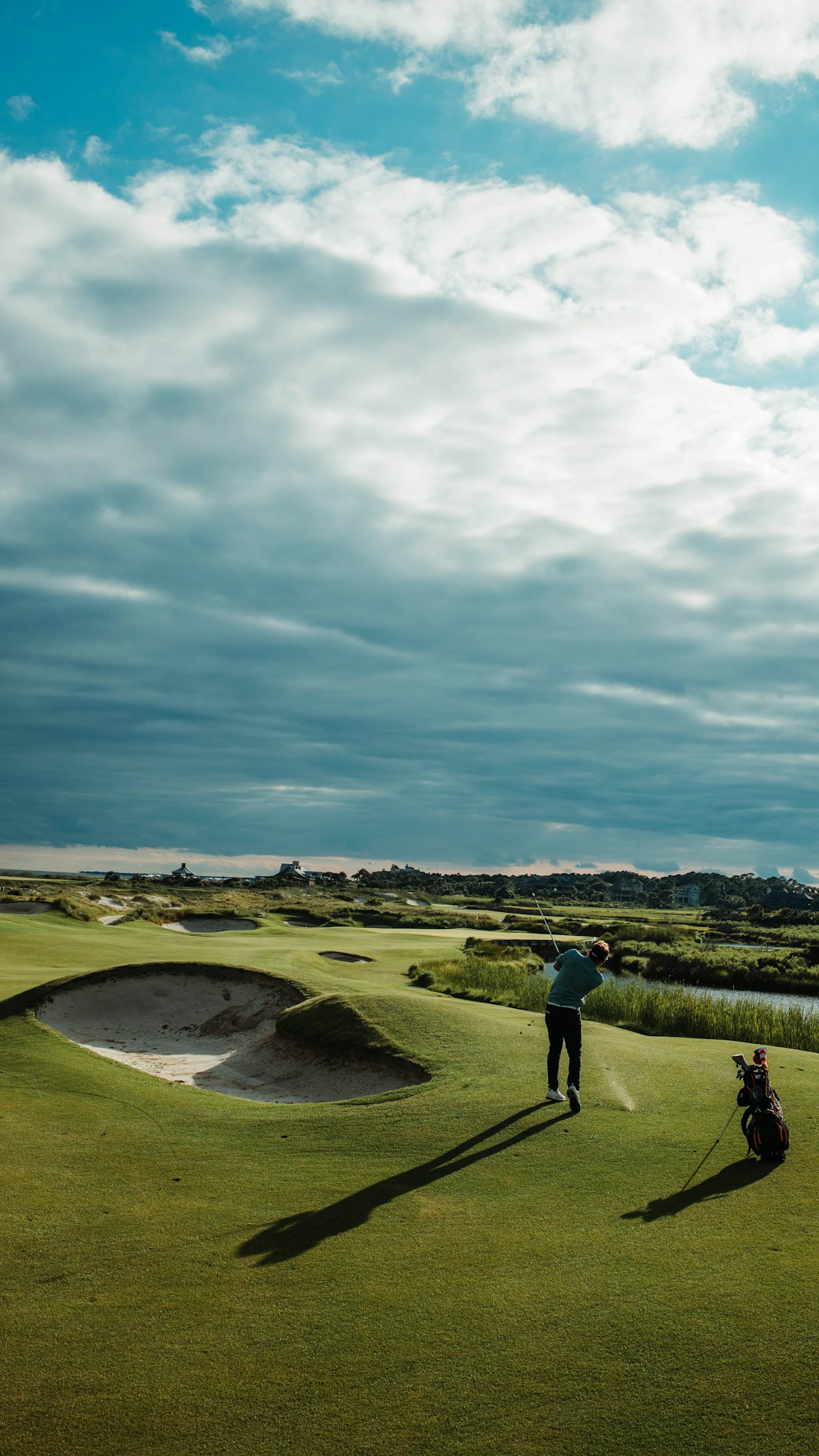
Why Lahinch Is Called Ireland’s Links Capital
Lahinch carries the nickname “the St. Andrews of Ireland,” and the comparison is earned rather than borrowed. Founded in 1892 by officers of the Black Watch Regiment garrisoned at nearby Limerick, the club hired Old Tom Morris of St. Andrews two years later to recast the original twelve-hole layout. Morris pronounced the property “the finest natural course it has ever been my privilege to lay out”, high praise from the man who designed Muirfield, Carnoustie’s Championship routing, and Royal Dornoch. From that 1894 foundation, Lahinch grew into the spiritual home of west of Ireland golf and the venue most golfers cite when explaining what links architecture really means.
The “Ireland’s Links Capital” tag rests on three pillars. First, location: Lahinch sits on the Atlantic edge of County Clare, with massive duneland tumbling toward Liscannor Bay and the Cliffs of Moher just twenty minutes north. Second, history: the South of Ireland Amateur Championship has been contested here continuously since 1895, the longest-running amateur championship at any single venue in Ireland. Third, design pedigree: Old Tom Morris in 1894, Alister MacKenzie in 1927, and Martin Hawtree in 1999 and 2003 form perhaps the deepest architectural lineage on any links in the country. Add the 2019 Irish Open and the 2026 Walker Cup, and the case is closed.
What sets Lahinch apart from other Irish links is that it never feels engineered. The dunes are wild, the fairways tumble unpredictably, the wind comes off the Atlantic with no land to slow it, and the routing still preserves blind shots and quirky hazards that most modern designers would have flattened. It is, in the truest sense, an old course, and the visitor experience leans into that authenticity rather than apologising for it.
Course History: Old Tom Morris, MacKenzie, and Hawtree
The architectural story of Lahinch reads like a who’s-who of golf design. Understanding the layered history helps explain why the course feels at once rugged and refined, whimsical and championship-tested.
Old Tom Morris (1894). Morris was paid the princely sum of one pound per day plus expenses to reroute the original twelve holes into eighteen. He moved most of the play onto the higher, wilder ground in the dunes and laid out the original versions of the Klondyke (4th) and the Dell (5th), two holes that would become the most argued-about and most photographed in Ireland. Morris’s routing reportedly took inspiration from the natural ground rather than imposing strategic conventions; the result was a course that felt discovered rather than built.
Alister MacKenzie (1927). Three decades later, the club commissioned the great Alister MacKenzie, designer of Augusta National, Cypress Point and Royal Melbourne, to modernise the layout. MacKenzie redrew several holes, refined green sites, and added strategic bunkering, while explicitly retaining the Klondyke and the Dell at the request of the membership. He famously described Lahinch as “a wonderful course,” and the bones of his routing remain visible today.
Martin Hawtree (1999 and 2003). By the late 1990s, the course needed both lengthening for the modern professional and conservation work for the dunes. Hawtree, descended from a three-generation family of links architects, took the brief seriously. He restored MacKenzie’s strategic angles, rebuilt several greens to firmer specifications, lengthened tees to accommodate the modern ball, and added subtle new bunkering. His work was so well received that he was retained again in 2003 for further refinements, and the course as it plays today is essentially the Hawtree-MacKenzie hybrid sitting on Old Tom Morris bones.
Course Specifications
| Specification | Old Course |
|---|---|
| Par | 72 |
| Length (white tees) | 6,701 yards |
| Length (championship tees) | 7,055 yards |
| Designers | Old Tom Morris (1894), Alister MacKenzie (1927), Martin Hawtree (1999 / 2003) |
| Founded | 1892 |
| Course Type | Classic links, walking only |
| Notable Events | South of Ireland Amateur (since 1895), Irish Open 2019, Walker Cup 2026 |
| Signature Holes | 4th “Klondyke,” 5th “Dell,” 6th, 9th |
| Caddie Policy | At least one caddie required per visitor group on the Old Course |
| Buggies | Not available, walking only |
| Website | lahinchgolf.com |
Visitor Access: Online Booking via BRS
Visitor tee times at Lahinch are released through the BRS Golf online booking system at brsgolf.com/lahinch, the same platform used by most Irish clubs. The visitor calendar opens roughly twelve months in advance, and for the Old Course in peak season, May through September, premium morning slots are typically gone within hours of release.
For 2026 specifically, visitor planning is more complicated than usual because of the Walker Cup. The course will be closed to visitor play for several days surrounding the September 5–6 matches, and the tournament-week build-up restricts availability for the preceding week as well. Lahinch has indicated that the closures will cost the club approximately €600,000 in green fees over the season, which gives a sense of how heavily booked the course normally runs.
Booking strategy for visitors:
- Lead time: Book at least six to nine months ahead for May–September Old Course play. Early autumn (mid-September to mid-October) and shoulder spring (late April to early May) are easier but still fill quickly.
- Weekday vs. weekend: Weekend visitor access is sharply restricted, generally early-morning or late-afternoon only. Aim for Tuesday through Thursday for the widest selection.
- Phone the pro shop: If the BRS calendar shows nothing, call +353 65 708 1003. Lahinch holds back a portion of times for member needs and tour operator partners; cancellations open up regularly.
- Tour operators: Established Irish golf tour operators have allocations and can sometimes secure times after BRS shows the course full.
- Handicap: The Old Course requires a verifiable handicap of 24 (men) or 36 (women) maximum.
Green Fees 2026
For 2026 the club approved a 20% increase in non-member green fees on the Old Course, raising the rate from €375 to €450. The new pricing applies from April 27 to October 16, 2026, the heart of the visitor season. The Castle Course remains a relative bargain. Note that buggies are not available on either course; both are walking only.
| Fee Category | Course | Rate (2026) | Notes |
|---|---|---|---|
| Peak season visitor | Old Course | €450 | 27 April – 16 October, all days |
| Peak season visitor | Castle Course | €60 | All days, all season |
| Old Course + Castle combo | Both courses | From €490 | Same day or split day, subject to availability |
| Twilight Old Course | Old Course | From €275 | Late afternoon, season-dependent, confirm at booking |
| Winter visitor (Old) | Old Course | €175–€225 | 17 October – 26 April, weather dependent |
| Winter visitor (Castle) | Castle Course | €40–€50 | 17 October – 26 April |
| Club hire | , | €75 per set | TaylorMade or Titleist; reserve in advance |
| Caddie fee | Old Course | €70 + tip (typical) | Pay caddie directly; €30–€50 gratuity standard |
| Forecaddie | Old Course | €30–€40 per player | Required if no individual caddies booked |
For budgeting purposes, plan on roughly €560–€600 per player for an Old Course round once you add a caddie, gratuity and a beer afterwards. It is one of the most expensive rounds in Ireland in 2026, surpassed only by Royal County Down at peak season, but the value calculation depends entirely on what you’re after. There is no other course in Ireland that asks you to hit a blind shot over Klondyke Hill or aim at a painted stone on the Dell. That experience does not come cheap, and the club has decided not to pretend otherwise.
The Castle Course: The Cheaper Sibling
The Castle Course often gets ignored in trip planning, which is a mistake. At €60 in peak season, it costs less than fourteen percent of the Old Course fee and offers a genuinely good links experience on the inland side of the dunes. The course measures under 5,600 yards, plays to a par of 70, and was redesigned by Donald Steel in 1975 before further refinements over the years.
Why play it? Three reasons. First, if your foursome includes a higher-handicap golfer or a non-golfing partner, the Castle is welcoming, walkable in under three hours, and far less stressful than the Old. Second, it is the only practical option if your travel dates run into a sold-out Old Course calendar. Third, the views are excellent, the Castle climbs higher than the Old in places and offers panoramic looks back toward the Atlantic and the village. As a warm-up the day before tackling the Old Course, it is hard to beat.
Castle tee times are usually available far closer to your travel dates than Old Course slots. Most visitors book the Castle as a complement to a planned Old Course round; combining the two on consecutive days, or in a 36-hole single day, is a popular itinerary among serious links travellers.
Signature Holes
Lahinch is famous for four holes in particular: a pair of MacKenzie-preserved Old Tom Morris oddities and two pieces of more conventional links architecture. Together, they form the most photographed quartet in Irish golf.
The 4th: “Klondyke”, Par 5, 475 Yards
The Klondyke is the hole that visitors come to Lahinch to experience. From the tee you face a relatively benign drive into a generous fairway, but the second shot is the trick: a massive vegetated sand dune, Klondyke Hill, bisects the fairway, and you must hit a completely blind shot over it toward a green you cannot see, in the direction the caddie points. A bell at the top of the next tee rings to signal when the green is clear. There is a public road behind the green, drystone walls, and other golfers playing crossing holes. It would never be built today, and that is the entire point. Trust the line, swing hard, and walk over the dune to find your ball, or not. Either way, you will remember the shot for the rest of your life.
The 5th: “Dell”, Par 3, 154 Yards
If the Klondyke is the controversy, the Dell is the love letter. A short par 3 with a long, narrow green tucked between two enormous dunes, the Dell is genuinely blind from the tee, you cannot see the putting surface at all. A white-painted stone on the far dune is moved each morning by the greenkeepers to indicate the day’s pin position. Aim at the stone, swing smoothly, and walk over the front dune hoping for the best. The Dell statistically attracts an unusually high rate of holes-in-one because the green funnels balls toward the centre, but it also has its share of cards-ruining outcomes when shots come back off the rear bank or stay buried in the front face. There is no other par 3 like it in tournament golf.
The 6th: “Dunes”, Par 4, 408 Yards
After the lunacy of the 4th and 5th, the 6th is where the modern course reasserts itself. A demanding par 4 playing along an undulating fairway with dunes left and rough right, the 6th demands a confident drive followed by a mid-iron approach to a raised, well-bunkered green. The hole was lengthened and reshaped in the Hawtree work, and it now stands as a strong indicator of how a player will score on the rest of the round. If you can negotiate the 6th in regulation after the chaos of the previous two holes, you are mentally settled into Lahinch links golf.
The 9th: “Liscannor”, Par 4, 386 Yards
The 9th turns toward Liscannor Bay and offers one of the great strategic tee shots on the property. The fairway runs along an elevated ridge with a steep drop to the left and rough on the right, and the elevated tee delivers panoramic views of the bay, the village, and the cliffs beyond. The approach plays to a green protected by a deep front bunker, and the wind off the Atlantic typically demands at least one extra club. This is the hole many visitors photograph from the back tee on a clear evening, Lahinch in landscape mode, with the white village in the distance and the goats grazing somewhere in the middle distance.

Caddies and the Goats
Two living traditions define the Lahinch experience beyond the architecture. The first is the caddie corps. Lahinch requires every visitor group on the Old Course to take at least one caddie, and the rule is for good reason, the Klondyke alignment, the Dell stone, and the wind-affected blind shots throughout the routing are essentially uninterpretable without local knowledge. The caddies are mostly local Clare men, many of whom have looped at Lahinch for decades, and the tradition runs deep. If you have not pre-booked an individual caddie per player, the club assigns at least one forecaddie to walk ahead of your group and guide play. Either way, plan to pay your caddie directly at the end of the round, and tip generously, €30–€50 above the basic fee is standard, and a good caddie at Lahinch will save you considerably more than that in strokes.
The second tradition is the goats. Lahinch’s herd of wild goats has roamed the dunes since at least the 1920s, when caddie Tommy Walsh kept goats on the property and was eventually allowed to let them graze freely. Walsh noticed that the goats took shelter near the clubhouse before bad weather rolled in and ranged out into the dunes during fine spells. When the clubhouse barometer broke down in the 1960s, then-secretary Brud Slattery handwrote “See Goats” on the broken instrument and hung it back on the wall. It has remained there ever since, and the directive is taken seriously. In 1956 the club incorporated a goat into its official crest alongside a thistle and a shamrock, and the goat motif now appears on the scorecard, the merchandise, the pin flags, and the club tie. If you see the herd grazing comfortably out by the 8th or 9th when you arrive at the first tee, the round will probably be playable. If they’re huddled by the clubhouse fence, plan accordingly.
Dress Code & Etiquette
Lahinch maintains a smart-casual dress code that is enforced more strictly than at most resort-style courses. The expectations are straightforward but worth listing because non-compliance can mean being turned away at the first tee.
- On the course: Collared shirts (or recognised mock-neck golf tops), tailored shorts or trousers, proper golf shoes (soft spikes only).
- Not permitted on the course: Denim of any kind, tracksuit bottoms, football or rugby jerseys, beachwear, cargo shorts, t-shirts.
- In the clubhouse: Smart-casual after play. Golf attire is fine in the bar; the dining room expects a tidier standard in the evening.
- Mobile phones: Permitted on the course on silent for emergencies and rangefinder use. Calls should be taken away from other players.
- Pace of play: Lahinch targets four hours fifteen minutes for an Old Course round. Caddies will keep you moving; let faster groups through if you fall a hole behind.
- Repair work: Replace divots, repair pitch marks (yours and one other), and rake bunkers behind you. Standard links etiquette applies, but visitors are expected to know it.
Practical Logistics
Lahinch is unusually well-organised for a small-village links. The clubhouse sits at the end of the village, and most practical needs can be handled within a five-minute walk.
- Check-in: Arrive at least 45 minutes before your tee time. Pay the green fee at reception, collect your locker key, meet your caddie, and have time to warm up.
- Practice facilities: A driving range, short-game area, and large practice putting green are all within the clubhouse complex. Range balls are included with the green fee.
- Lockers and showers: Available to visitors. Bring a small lock or use the disposable ones at reception.
- Pro shop: Well-stocked with Lahinch-branded apparel, balls, gloves, hats. The famous goat-logo merchandise sells out in summer; arrive early if you want a particular size.
- Bag drop: Driver-style drop-off at the front of the clubhouse. Caddies typically meet players at the bag drop.
- Clubhouse dining: The members’ dining room serves visitors all day with hearty Irish fare, fresh local seafood, and Atlantic views from the upper deck. Recommended after the round.
- Walking only: Both courses are strictly walk-only. There are no buggies, even with medical letters. Plan accordingly if mobility is a concern, pull trolleys are available, and caddies can carry your bag.
- Weather: The Atlantic dictates everything. Pack waterproofs regardless of the forecast. Lahinch rarely closes for weather, but rounds can become severe in westerly gales.
Where to Stay in Lahinch Town
Lahinch village is small, perhaps 600 year-round residents, but punches above its weight on accommodation thanks to its dual identity as a golf destination and a Wild Atlantic Way surf town. Most visitors stay within walking distance of the clubhouse, a major advantage when the Atlantic weather turns.
Vaughan Lodge Hotel
The first choice for most golfers. A four-star, family-owned boutique property opened in 2005 by Michael and Maria Vaughan, fourth-generation hoteliers in Lahinch, Vaughan Lodge sits a five-minute walk from the first tee. The 22 rooms are spacious and quietly contemporary, the breakfast is widely cited as the best in west Clare, and the in-house restaurant runs an a-la-carte menu Tuesday through Saturday with serious local seafood and a strong wine list. Plan on €240–€340 per room per night in summer 2026; book direct for golf-package availability.
Moy House
Three kilometres south of the village on the cliffs overlooking Lahinch Bay, Moy House is the area’s luxury option. A restored 18th-century country house with just nine rooms, it is a member of Ireland’s Blue Book of country-house hotels and was named Country House of the Year by Georgina Campbell in 2003. The kitchen runs on produce from the on-site farm and walled garden; one bathroom famously contains a glass-covered original well. It is quieter and more remote than Vaughan Lodge, and the bay views from the breakfast room are unrivalled. Expect €380–€520 per room in peak season.
Lahinch Coast Hotel
A larger four-star at the edge of the village offering a more conventional resort feel, with self-catering apartments alongside hotel rooms. Good for golfing groups of six or more who want shared kitchen space and multiple bedrooms. The hotel includes a leisure centre with pool and gym, useful on rest days, and a rarity in Lahinch. Rooms typically run €180–€260 in summer.
Greenbrier Inn
Directly across the road from the Old Course entrance, the Greenbrier is a long-running B&B-style guesthouse that suits golfers who want to walk to the first tee in three minutes flat. Rooms are simpler than the hotels but well-kept, with hearty Irish breakfast included and friendly staff used to dealing with early tee times. €140–€200 per room in summer.
B&Bs and Self-Catering
Lahinch has a strong inventory of family-run B&Bs, particularly along the road into Liscannor and on the hillside above the village. Mrs Doyle’s Bed & Breakfast, Sancta Maria, and a number of similar properties typically run €120–€180 per room and offer the kind of warm, individualised experience that defines small-town Ireland. For groups of four or more, self-catering rentals through Airbnb or local agencies often work out cheaper than hotels and provide useful kitchen facilities for early-morning starts.
Where to Eat & Drink
Lahinch eats well for a village its size, helped by its proximity to working fishing harbours and a strong Clare food culture. Reservations are essential in summer for the better restaurants.
- Vaughan’s Anchor Inn (Liscannor), Five minutes by car toward the cliffs, this Vaughan family-run pub-restaurant has been the area’s seafood standard since 1979. The Michelin Guide cites it for its fish-led menu, and the lobster and crab come straight off Liscannor pier. Expect €45–€65 per head for a full dinner. Booking essential.
- Barrtra Seafood Restaurant, Fifteen minutes south of Lahinch toward the cliffs, Barrtra is a long-established white-tablecloth seafood restaurant with sweeping views over the bay and one of the best wine cellars in Clare. The four-course tasting menu is the move on a special night. €60–€85 per head.
- Pot Duggan’s, A locals’ pub-restaurant in nearby Ennistymon (ten minutes inland), serving elevated pub food with a reliable Sunday roast and a strong selection of Irish whiskeys. Casual, busy, no reservations after 7pm, show up early. €25–€40 per head.
- Cornerstone Bar & Restaurant, In the village centre, the Cornerstone is the post-round pint of choice for many visitors. Decent pub menu, good Guinness, and frequent live trad music in summer. €20–€35 per head.
- Vaughan’s on the Prom, The Vaughan family’s casual seafood restaurant on the Lahinch seafront, opened more recently. Good for a relaxed lunch after the Castle Course or before an evening Old Course tee time. €30–€45 per head.
- Joe’s Bar (clubhouse), The Lahinch Golf Club bar itself is a perfectly respectable post-round destination, with views over the 18th and the goats grazing beyond. Pints, sandwiches, and the satisfaction of a round survived.
Cliffs of Moher: 20 Minutes from the First Tee
Few golf destinations in the world include a UNESCO Global Geopark within a fifteen-minute drive of the clubhouse. The Cliffs of Moher rise 214 metres above the Atlantic just past Liscannor, attracting more than a million visitors a year, and they are essentially mandatory for any visitor with a non-golfing partner or a rest day in the schedule. The official visitor centre, built into the hillside, offers parking, exhibits, and a coastal walk that runs both north and south along the cliff edge.
The early morning and late evening light are best for photography, and the parking situation is far easier outside midday. From late April to early September the cliffs draw enormous tour-bus crowds between roughly 11am and 3pm. Plan to arrive by 9am or after 5pm for a calmer experience. Admission and parking together cost approximately €12 per adult in 2026, with online pre-booking recommended in peak season.
For those who want to push further, the cliff walk continues as a 20-kilometre coastal path connecting Doolin in the north to Hag’s Head and Liscannor in the south. It is well-maintained but exposed, and conditions can change rapidly. A two-hour out-and-back from the visitor centre is enough to feel the scale.
Doolin: Trad Music and Pubs
Twenty-five minutes north of Lahinch, the small village of Doolin has earned a global reputation as the unofficial capital of Irish traditional music. Three pubs, Gus O’Connor’s, McGann’s, and McDermott’s, host live sessions every night of the year, with the standard of musicianship as high as anywhere in Ireland. Sessions typically begin around 9pm and run until midnight or later, and the format is informal: musicians turn up with fiddles, flutes, bodhráns and concertinas, and play until the tunes run out.
Doolin is also the embarkation point for ferries to the Aran Islands, Inis Oírr, Inis Meáin, and Inis Mór, which run from late spring to early autumn. A day trip to Inis Oírr (the smallest and closest) costs roughly €35 return and takes about 30 minutes each way. For a non-golfing day with a partner, Doolin plus Inis Oírr plus dinner back in the village is one of the most rewarding rest-day combinations on the West Coast.
Getting There: Shannon 90 Minutes
Lahinch is one of the most accessible top-tier links courses in Ireland for international visitors. Shannon Airport, with direct transatlantic services from major US cities including New York, Boston and Chicago, sits 80 kilometres south, roughly 90 minutes by car. The drive is mostly on the M18 motorway and N85 dual carriageway before turning onto the coastal road into Lahinch.
- From Shannon Airport: 80 km, 90 minutes via M18 / N85.
- From Dublin Airport: 250 km, 3 hours via M7 / M18.
- From Galway: 80 km, 1 hour 30 minutes via N67 coastal route or N18 / N85 inland route.
- From Cork Airport: 200 km, 2 hours 30 minutes via M20 / N18.
- From Belfast: 380 km, 4 hours 30 minutes.
Car rental is the only practical option. Lahinch is poorly served by public transport, and the surrounding coast, the Cliffs of Moher, Doolin, the Burren, is best explored by car. Driving in west Clare is straightforward but the coastal roads are narrow, often single-lane in places, and busier than expected in summer. Allow extra time, drive on the left, and remember that rural Irish drivers are tolerant of cautious tourists provided they pull in at passing places.
Combining Lahinch With Other Courses
Lahinch sits in the middle of one of the densest concentrations of championship links in the world. A trip built around Lahinch typically pairs it with two or three other elite courses to form a five-to-seven-day West of Ireland itinerary. The standard pairings:
- Trump International Doonbeg (45 minutes south), A Greg Norman design on dramatic dunes overlooking the Atlantic. Easier visitor access than Lahinch, with strong resort amenities. Green fees in 2026 are around €350. Often combined with Lahinch as a pair.
- Ballybunion Old Course (1 hour 30 minutes south, via the Tarbert–Killimer ferry), Frequently named in world top-100 lists. Tom Watson’s favourite Irish links. The ferry crossing of the Shannon Estuary saves an hour versus driving around. Green fees €350–€395.
- Tralee Golf Club (2 hours south), The first Arnold Palmer design in Europe, with a back nine that ranks among the most photographed in golf. Green fees around €275.
- Galway Bay Golf Resort (1 hour 30 minutes north), A more accessible parkland option for a recovery round, with views over Galway Bay. Green fees €100–€140.
- Connemara Championship Links (2 hours 30 minutes north), A wild, remote Eddie Hackett links in Ballyconneely. Worth the drive if you have an extra day. Green fees around €120–€150.
A classic five-day itinerary: arrive Shannon, base at Lahinch, play the Old Course on day two, the Castle on day three morning, drive to Doonbeg for an afternoon round, ferry to Ballybunion on day four, return to Shannon on day five. Two top-100 links, two acclaimed supporting courses, the Cliffs of Moher and Doolin trad music in the evenings, that is what most visitors return home raving about.

Best Time to Play
Lahinch is playable year-round, but the visitor experience varies sharply by season.
- May and early June are arguably the best window. Daylight stretches to 10pm, the course is firm and fast after the spring drying, the wildflowers are in bloom, and visitor traffic has not yet peaked. Booking lead time is still substantial but not catastrophic.
- Late June through August brings peak conditions and peak crowds. Daylight runs from 5am to 10:30pm at midsummer, allowing 7am tee times that finish before lunch. Expect the village to be busy, dining reservations essential, and accommodation prices at their highest.
- September and early October offer the best value-to-conditions ratio. The course is at its firmest, the temperatures still mild (10–17°C), and the visitor crowds thin after Labor Day in the United States. The 2026 Walker Cup falls in this window, so the first weekend of September is a no-go for normal visitor play.
- Mid-October through April is the off-season. Lower green fees apply (€175–€225 on the Old Course), but daylight shrinks dramatically, by December you have only six playable hours, and Atlantic weather can be severe. Suitable only for hardened links enthusiasts or budget-conscious off-season travellers.
What to Pack
The Atlantic dictates the packing list. Even in July, you can experience three seasons in one round. The non-negotiables:
- Waterproofs (jacket and trousers). Non-negotiable. Galvin Green, Footjoy, or Sunderland are the standards locally.
- Layers. A thin base layer, mid-layer pullover, and outer wind-shell will get you through almost any conditions.
- Beanie or knit hat. Even in summer. The wind off the ocean will steal warmth fast.
- Spare gloves. Pack at least two, possibly three if rain is forecast. A wet glove is unusable.
- Spare socks. Bring a second dry pair in your bag for the back nine if rain is heavy.
- Soft-spike golf shoes. Waterproof essential. Metal spikes are not permitted.
- Sunglasses and sunscreen. Counterintuitively important. Reflected light off the dunes burns even in cool weather.
- Cash for caddie and tip. Caddies are paid directly in cash at the end of the round; bring small euros notes.
- Yardage book. Available in the pro shop. Worth €10 even if you have a rangefinder, because the blind shots demand local interpretation.
Common Mistakes Visitors Make
After thousands of overseas golfers have written about their Lahinch experiences online, the same patterns of regret emerge. Avoid them:
- Booking too late. The single most common mistake. Old Course tee times for July and August disappear in October the previous year. Book early or accept the consequences.
- Skipping the caddie. Some visitors resent the caddie requirement. They almost universally regret it on the 4th tee. Lahinch without a caddie is a guessing game.
- Underestimating the wind. Players who arrive with one extra layer end up freezing on the back nine. Pack as if for late autumn even in June.
- Riding only the Old Course high. The Castle is genuinely worth playing. Two rounds at Lahinch beats one round at Lahinch and one at a less interesting course you’ve added to fill the trip.
- Eating only at the clubhouse. The village dining scene, Vaughan’s Anchor Inn, Barrtra, Vaughan’s on the Prom, is part of the trip. Don’t default to clubhouse meals every night.
- Skipping the Cliffs. Even hardcore golfers benefit from one rest day. The Cliffs of Moher and Doolin trad music are why west Clare is a destination, not just a stopover.
- Ignoring the Walker Cup window in 2026. If you are travelling in late August or early September 2026, confirm that your dates do not collide with the September 5–6 matches. Course closures extend several days either side.
- Driving back to Shannon the morning after. Build in a buffer day. A 90-minute drive after a heavy night in Cornerstone is not what you want before a transatlantic flight.
Related guides
- Iconic Golf Courses in Ireland — Complete Playing & Booking Guides
- Playing Waterville Golf Links — Kerry Visitor Guide
- Playing Old Head Golf Links — Is It Worth €350+?
- Playing Adare Manor — 2027 Ryder Cup Venue Golf Experience
FAQ
Do I need a handicap certificate to play Lahinch?
Yes for the Old Course, the maximum permitted handicap is 24 for men and 36 for women. The Castle Course has no formal handicap requirement and welcomes higher-handicap visitors.
How far in advance should I book?
For peak-season Old Course play (May–September), six to nine months in advance is typical. The booking calendar opens approximately twelve months ahead. For the Castle Course, two to four weeks is usually sufficient.
Are buggies available?
No. Both courses are walking only, with no buggy hire on either. Pull trolleys are available, and caddies will carry your bag.
Is the caddie requirement strict?
Yes. Every visitor group on the Old Course must have at least one caddie or forecaddie. If you do not pre-book caddies, the club will assign at least one forecaddie for your group.
How much should I tip the caddie?
The basic caddie fee is set by the club (around €70). On top of that, a tip of €30–€50 per player is standard for a good caddie experience, paid directly in cash at the end of the round.
Will weather close the course?
Rarely. Lahinch drains famously well, and Atlantic rain typically blows through in bands rather than settling for the day. Closures usually only happen in severe winter storms with sustained winds above 50 knots.
Can I play both courses in one day?
Yes, many visitors do exactly this. A typical schedule plays the Castle in the morning and the Old in the afternoon, or vice versa. Combo green fees are available; ask at the time of booking.
Is Lahinch good for higher-handicap golfers?
The Castle Course is excellent for higher handicaps. The Old Course is challenging but absolutely playable for an honest 18 handicap, especially with a caddie. The blind shots and unique features actually equalise the field somewhat, local knowledge matters more than raw distance.
What is the best non-golf thing to do?
The Cliffs of Moher in the morning, lunch in Doolin, an afternoon ferry to Inis Oírr, and a trad-music session in Doolin in the evening. That sequence is the de facto rest-day template for visiting golfers.
Final Thoughts
Lahinch is not the most polished links in Ireland. Royal County Down is more dramatic, Portmarnock more pristine, Royal Portrush more decorated. What Lahinch offers is something none of those courses can match: a sustained sense that you are playing golf as it was understood in 1894, with all the eccentricity, the blind shots, the goats, the local caddies, and the dunes-shaping-everything character that the modern game has otherwise erased. The Klondyke and the Dell would not be built today by any architect on earth, and that is precisely why they matter. They are protected the way a museum protects an artefact, and yet they are not artefacts at all. They are living holes that hundreds of golfers tackle every day during the season, mostly missing the green and laughing about it afterwards in the bar.
The €450 green fee in 2026 will deter some travellers, and the Walker Cup-related schedule disruptions will frustrate others. But for those who do make the trip, the package is unbeatable: a top-100 world course, a delightful village, a luxury country-house hotel, the Cliffs of Moher up the road, trad music in Doolin, seafood at Vaughan’s Anchor Inn, and a herd of weather-forecasting goats roaming the dunes. There is no equivalent destination in golf. Book early, bring waterproofs, listen to your caddie, aim at the white stone on the Dell, and let Lahinch happen to you. You will leave with stories that no other course in Ireland can give you, and you will start planning the return trip before you reach Shannon Airport.
Leave a Reply