Phone, WiFi & Staying Connected on an Ireland Golf Trip
Modern Ireland golf trips run on bandwidth as much as on golf balls. You’ll want GPS guidance to a remote links course tucked behind a winding boreen, real-time weather updates as an Atlantic squall sweeps across Donegal, group chat coordination with foursome partners, scorecard apps for handicap tracking, and the occasional video call home to prove you really are on the 18th tee at Ballybunion. Yet the assumption that hotel WiFi will handle all of this falls apart the moment you leave the lobby. Ireland’s links courses are remote by design, perched on dunes, peninsulas, and clifftop tracts where 4G coverage is patchy and clubhouse WiFi was clearly an afterthought during the 1996 renovation. A connectivity strategy you sort out before departure is the difference between a smooth, well-documented golf trip and a week of frustrated screen-tapping while the rest of your group waits at the next tee box.
This guide walks through the three connectivity options American and international golfers use in Ireland in 2026, with concrete provider plans, current prices, and the trade-offs that matter when you’re standing in a windswept car park at Old Head trying to load your tee-time confirmation. We’ll cover eSIMs, physical SIM cards, US carrier roaming plans, the realities of WiFi at hotels, clubs, and pubs, plus practical tips on GPS apps, battery management, calling home, and emergency connectivity. By the time you finish reading, you’ll know exactly which setup matches your trip length, budget, and tolerance for fiddling with phone settings.
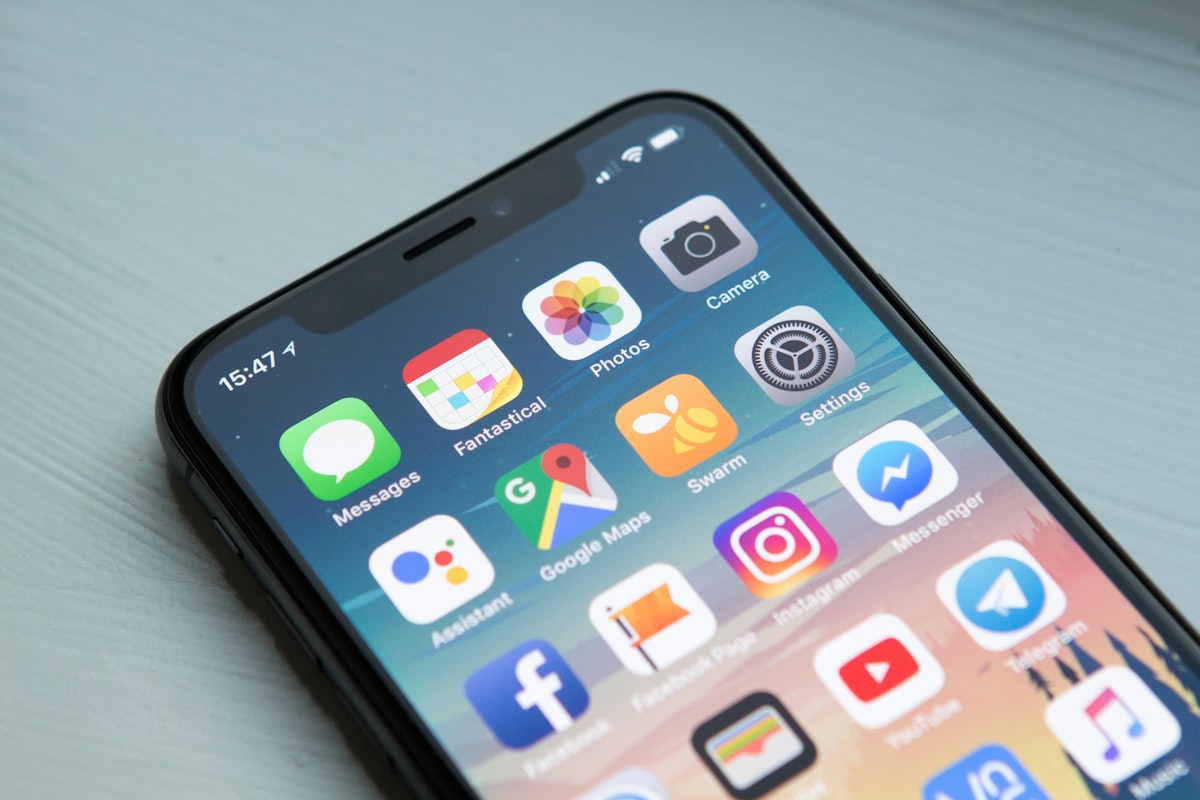
The Three Connectivity Options
For an Ireland golf trip, you have three realistic routes to mobile connectivity, and almost everyone reading this should pick one of them rather than relying on hotel WiFi alone. Each option suits a different traveler profile, and choosing well saves both money and frustration during the trip.
Option 1: Use your existing US carrier’s international roaming plan. This is the path of least resistance, you keep your number, your phone simply works when you land, and there’s nothing to install or activate. The cost varies dramatically depending on which carrier you have. T-Mobile customers on Magenta or Go5G plans get unlimited slow-speed data and texting included at no extra charge; Verizon and AT&T customers pay a daily fee that adds up fast on a 7-to-10-day trip.
Option 2: Buy an eSIM before you leave. If your phone supports eSIM (every iPhone since the XS, every recent Pixel, and most Samsung Galaxy flagships), you can purchase a digital SIM from a provider like Airalo or Holafly, install it in five minutes, and arrive in Ireland with a working data plan that costs a fraction of carrier roaming. Your US number stays active for iMessage and incoming texts; the eSIM handles data.
Option 3: Buy a physical Irish prepaid SIM after you arrive. The traditional approach, pop into a Three or Vodafone shop in Dublin, pay €20 for a tourist SIM, and you have an Irish phone number with generous data. Cheaper per gigabyte than most eSIMs and gives you a local number for restaurant bookings or club call-backs, but you have to physically swap your SIM card and you’ll be unreachable on your US number while traveling.
Option 1: US Carrier Roaming
For US-based golfers, the simplest option is usually the international roaming plan attached to your existing carrier. The convenience is undeniable: turn on your phone at Dublin or Shannon Airport and you’re connected. The economics depend entirely on which carrier you have.
T-Mobile Magenta and Go5G plans are by far the most generous for Ireland. Standard Magenta and Magenta MAX (now folded into the Go5G family) include unlimited texting and unlimited 2G-speed data in 215+ countries at no extra cost. Voice calls in Ireland run $0.25 per minute. The catch is the speed, roughly 128 Kbps, which is fine for WhatsApp messages, Google Maps with cached tiles, and basic email but slow for streaming, video calls, or loading image-heavy websites. If you need faster data, T-Mobile sells International Pass add-ons (5GB for $35, 15GB for $50) that bring 5G speeds for 10 days.
Verizon TravelPass charges a flat $12 per day in Ireland for unlimited talk, text, and high-speed data on your existing plan’s allotment. Sessions trigger automatically when you use your phone abroad and last 24 hours. On a 7-day trip that’s $84, meaningfully more than a competitive eSIM but you keep your full home plan and there’s no setup. Verizon also offers a Monthly International Plan at $100 for 30 days with 20GB, which can make sense for longer Irish holidays.
AT&T International Day Pass mirrors Verizon almost exactly: $12 per day in Ireland, unlimited talk, text, and data drawing from your domestic plan, auto-triggered the first time you use your phone each day. AT&T also offers an International Day Pass discount for additional lines on the same account ($6/day per added line). Heavy travelers can switch to AT&T’s Global Plan at $70 per month with 12GB of high-speed data.
The decision comes down to math. If you have T-Mobile, roaming is essentially free and you only need an eSIM upgrade if you plan to stream or use heavy video. If you’re on Verizon or AT&T, a 7-day trip costs $84 in roaming fees, nearly three times what an unlimited eSIM costs, and switching to an eSIM for the week is the clear value play.
Option 2: eSIM (Recommended for Most)
For the majority of Ireland golf travelers in 2026, an eSIM is the right answer. The economics, flexibility, and convenience are hard to argue with: you order online before departure, install via QR code in about five minutes, arrive in Ireland with data already working, and pay between $10 and $50 for the entire trip depending on the plan you choose. Your US SIM stays in the phone alongside the eSIM, meaning you keep your home number for iMessage and incoming SMS verification codes while the eSIM handles all data.
Four providers dominate the Ireland eSIM market and all have proven track records. Airalo sells the “Fáilte” Ireland eSIM, riding on Three Ireland, eir, and Vodafone Ireland 4G/5G networks. Plans range from 1GB for $4.50 (7 days) up to 20GB for $34, plus an unlimited tier at $35 for 10 days or $49 for 15 days. Airalo’s strength is reliability and a clean app; the limitation is data-only, no Irish phone number or SMS.
Holafly built its reputation on unlimited-data plans with simple flat pricing. The Ireland plan starts at around $7 for one day and scales up, typical 7-day plan around $34, 15-day around $54, 30-day around $69, all with unlimited data and 1GB/day of hotspot sharing. No data overage worries means you can stream highlights from your round, video call home each night, and run navigation continuously without rationing.
GigSky takes a more traveler-pragmatic approach, pay-as-you-go style data buckets that don’t expire as quickly as competitors and good support for older devices. Ireland plans start around $10 for 1GB and run up to $80 for 10GB over 30 days. Better for shorter trips or light data use.
Saily, from the makers of NordVPN, has emerged as a strong 2026 contender thanks to bundled security features (built-in VPN, ad blocking, leak protection) and aggressive pricing. Typical Ireland plans run $4 for 1GB / 7 days up to $40 for unlimited data over 30 days. The privacy features are useful when you’re connecting to dozens of unfamiliar public WiFi networks across the trip.
eSIM Provider Comparison
| Provider | 7-Day Plan | 30-Day Plan | Unlimited Option | Network |
|---|---|---|---|---|
| Airalo (Fáilte) | 3GB / $8.50 | 20GB / $34 | $35 (10 days), $49 (15 days) | Three IE / eir / Vodafone |
| Holafly | $34 unlimited | $69 unlimited | Yes, all plans unlimited | Three Ireland (primary) |
| GigSky | 3GB / $25 | 10GB / $80 | Not currently offered | Three IE / Vodafone |
| Saily | 3GB / $9 | 20GB / $30 | $40 (30 days) | Three IE / Vodafone |
| Ubigi | 10GB / $19 | 50GB / $39 | Limited regional plans | Three Ireland |
For a typical 7-day Ireland golf trip, our recommended sweet spot is Airalo’s 10GB / 30-day plan at around $19 for moderate users, or Holafly’s 7-day unlimited at $34 for heavy users (lots of streaming, video calls, GPS tracking on every round). Saily’s 20GB / 30 days at $30 is the value pick if you want headroom without paying unlimited prices.
Option 3: Physical Local SIM
The traditional approach, buying a physical Irish SIM after you land, remains viable and competitive on price, particularly for travelers whose phones don’t support eSIM (older iPhones, some unlocked Android budget devices) or for trips longer than two weeks where the per-gigabyte cost matters.
Three Ireland is the dominant choice for tourists. Their visitor prepay options for €20 over 28 days include three plans: unlimited 5G data with 200 minutes and 200 SMS; 10GB 5G data with unlimited minutes and SMS; or unlimited 5G data with unlimited calls/SMS plus 100 international minutes for €25. Three is the only Irish network offering 5G on prepay nationwide and includes 21–27GB of free EU roaming on these plans, useful if you cross into Northern Ireland or onward to other European destinations. Pick up at WH Smith in Dublin Airport Terminal 1 or SIM Local vending machines in both terminals.
Vodafone Ireland offers comparable visitor plans starting at €20 for 28 days: 10GB 4G+ with unlimited Irish calls/text, or unlimited 5G data with 100 international minutes for €20, or unlimited 5G with unlimited calls and 100 international minutes for €30. Vodafone allows up to 35GB free EU data roaming, slightly better than Three. Stores in every major town and at Dublin Airport.
eir is Ireland’s incumbent telecom and offers prepay plans typically €15–€20 with reasonable data, though their tourist focus is weaker than Three or Vodafone. Coverage is strong nationally because eir runs much of Ireland’s network infrastructure.
Tesco Mobile uses Three’s network as an MVNO and offers some of the cheapest Irish prepay rates if you can find a Tesco store (Dublin, Cork, Galway, Limerick). Plans start at €10 for basic data buckets but the activation can be slower than the bigger carriers.
Practically: you’ll spend 30 minutes at the airport buying, activating, and configuring a physical SIM versus 5 minutes installing an eSIM at home. Unless you specifically want an Irish phone number for callbacks (some restaurants, B&Bs, and clubs prefer to ring rather than email), the eSIM path is faster and more flexible.
Network Coverage in Ireland
Ireland’s mobile networks are excellent in cities and along major motorways. Dublin, Cork, Galway, Limerick, Belfast, and the M50/M7/M8 corridors deliver strong 4G/5G across all three operators. You’ll have no issues video calling from your hotel room or streaming from a café.
Coverage degrades in rural Ireland, and that’s exactly where most great links courses live. The west coast, Dingle Peninsula, Connemara, the Burren, Mayo’s Wild Atlantic Way, Donegal’s Inishowen, is where you’ll see “No Service” most often. Three Ireland and Vodafone Ireland generally outperform eir in remote areas, and 5G availability in deep countryside is essentially nonexistent (you’ll be on 4G or 3G when you have signal at all).
For the courses themselves, expect mixed results. Royal County Down, Portmarnock, Lahinch, and Old Head sit close enough to towns to maintain reasonable 4G in the clubhouse. More remote venues, Carne in Belmullet, Narin & Portnoo on the Donegal coast, Doonbeg’s exposed clifftop holes, parts of Tralee and Ballybunion, drop to one bar of 4G or none at all on outer holes. The 13th green at Carne is famous in caddie circles for being a complete dead zone. Plan accordingly: download offline maps, cache scorecards, and don’t depend on mid-round livestreaming.
Cross-Border: Republic vs Northern Ireland
One of the trickier wrinkles for Ireland golf trips is the open border between the Republic of Ireland (which uses the euro) and Northern Ireland (which uses pound sterling and is part of the United Kingdom). If your itinerary includes Royal County Down, Royal Portrush, Castlerock, Portstewart, or Ardglass, you’re crossing into a different country from a telecom perspective, even though you won’t see a border checkpoint.
For eSIM users, this matters less than you might think. Most Ireland-only eSIMs (Airalo Fáilte, Holafly Ireland, Saily Ireland) cover the Republic only. If you’ll cross into Northern Ireland, buy a UK and Ireland combined plan or a regional Europe plan instead, Airalo’s “Eurolink” Europe eSIM covers 39 European countries including both Ireland and the UK at $5/1GB up to $37/20GB, eliminating any cross-border worries.
For physical SIMs, watch the inverse problem: if you buy a UK/Northern Ireland SIM (Three UK, EE, O2, Vodafone UK) and use it in the Republic, you may incur sterling-billed data charges depending on the plan’s EU roaming inclusion (post-Brexit, UK plans don’t automatically include EU roaming). A Three IE or Vodafone IE prepay plan, by contrast, includes generous EU roaming that covers UK use, so an Irish SIM works in Northern Ireland without surcharges. If you’re anchored in the Republic with day trips north, buy your SIM in Ireland.
WiFi at Hotels
Hotel WiFi in Ireland is essentially universal in 2026. Every hotel, B&B, guesthouse, and self-catering rental advertises free WiFi, and the quality has improved dramatically over the past five years. Mid-range and luxury hotels (Adare Manor, Trump Doonbeg, Lough Erne, Ashford Castle, Dromoland Castle, Powerscourt) deliver fast, reliable connections suitable for video calls and streaming. Boutique B&Bs and small-town hotels usually deliver workable WiFi, fast enough for browsing and email, occasionally weak for video.
Two practical tips. First, hotel WiFi networks are typically open or use a simple shared password, meaning the network is unencrypted. Use a VPN for any sensitive activity (banking, work email). Saily’s bundled VPN is convenient for this; otherwise NordVPN, ExpressVPN, or your existing service works fine. Second, larger hotels often have a “premium WiFi” upsell, most golf trip use cases don’t need it, but if you’re working remotely between rounds, the upgrade may be worth €5–€10 per day.
WiFi at Golf Clubs
Golf club WiFi in Ireland is genuinely hit-or-miss, and “miss” is more common than American golfers expect. The clubhouse at major championship venues, Adare Manor, Mount Juliet, K Club, Druids Glen, Lough Erne, Carton House, typically offers free guest WiFi covering the bar, restaurant, locker room, and pro shop. Speeds are adequate for booking confirmations, scorecard uploads, and posting to social media but rarely match hotel WiFi.
Smaller and traditional clubs may offer no WiFi at all, or WiFi limited to the bar/restaurant area. The clubhouses at Carne, Enniscrone, Narin & Portnoo, Cruit Island, and many of the underrated west coast gems still operate on the assumption that members and visitors arrive, play golf, drink a pint, and leave, without any need to upload Instagram stories. Don’t count on WiFi at these venues.
WiFi on the course itself is essentially nonexistent across all Irish links. Even venues with strong clubhouse WiFi don’t extend coverage to the dunes, fairways, or distant greens. Once you’re past the practice area, you’re on cellular or you’re offline. Plan your GPS app, scoring app, and weather lookups around this reality.
WiFi at Pubs and Restaurants
Free WiFi is the norm at Irish pubs, cafés, and restaurants, particularly the larger gastropub chains (J.D. Wetherspoon’s, McGettigan’s, O’Donoghue’s franchises) and any establishment marketing itself to tourists. Look for the WiFi password on the menu, the chalkboard, or printed on receipts; ask the barman if it’s not visible. Speeds are usually fine for email and messaging, and most networks tolerate 30–60 minutes of casual use without complaint.
Famous golfing-town pubs, Tigh Neachtain in Galway, Murphy’s in Killarney, the various Ballybunion locals, all have WiFi. So do cafés in town centers throughout Ireland, including most petrol-station forecourts (Applegreen, Maxol, Circle K) which have become surprisingly reliable for a quick top-up of email or directions when you’re road-tripping between courses. Same security advice applies: VPN for anything sensitive.
Using Your Phone for GPS
Your phone is the single best navigation tool for an Ireland golf trip, both for getting to courses and for tracking shots once you’re playing. The keys are choosing the right apps and configuring offline access before you leave WiFi.
Google Maps offline is essential. Before each driving day, open Google Maps on hotel WiFi, search for your destination region (e.g., “Donegal” or “Kerry”), tap the location pin, scroll down, and tap “Download offline map.” Select an area roughly 50km square around your destination and the day’s route. Cached offline maps work without any data signal, including turn-by-turn navigation. The single biggest reason American golfers get lost on Irish boreens is forgetting to download offline maps.
Apple Maps offline arrived in iOS 17 and works similarly, Maps app, your name in top corner, “Offline Maps,” “Download New Map.” Select region, download. Apple’s Ireland map data is now genuinely competitive with Google’s and the seamless integration with CarPlay (most Irish rental cars support it) makes Apple Maps the better choice for many iPhone users.
Garmin Golf app is the leading on-course GPS app for serious golfers, with detailed yardage data for over 43,000 courses worldwide including every Irish course of note. Free tier offers basic distance to greens; premium ($9.99/month) adds shot tracking, hole flyovers, and statistics. Works fine on cellular or with cached course data.
Hole19 is the strongest competitor, with a slicker interface and free-tier features that beat most paid alternatives. 43,000+ courses worldwide, real-time scoring, and a genuinely useful round summary. Premium tier $39.99/year. Both apps load Irish course data so you’ll have detailed yardages at Lahinch, Ballybunion, Royal County Down, and the lesser-known links.
Met Éireann (Republic) and BBC Weather (Northern Ireland) are the gold-standard weather apps. Both display rain radar, wind speed, and hour-by-hour forecasts crucial for links golf. Combined with your GPS app, you can predict whether the squall on the horizon will hit while you’re on the par-3 over the dunes or after you’ve reached the next clubhouse.

Translation Apps
You don’t need a translation app for Ireland. English is universal across the entire island and is the working language of every hotel, restaurant, golf club, taxi, and shop you’ll encounter. The accents take some getting used to, a Donegal accent and a Cork accent are essentially different languages to American ears, but vocabulary and grammar are unmistakably English.
The exception is the Gaeltacht, designated regions where Irish (Gaeilge) is the primary daily language. The principal Gaeltacht areas you might cross during a golf trip are Connemara (west Galway, near Connemara Championship Course), the Dingle Peninsula (near Dingle Links/Ceann Sibéal), and parts of Donegal (near Cruit Island and Narin & Portnoo). Even in the Gaeltacht, every speaker of Irish is also fluent in English; the only practical implication is that road signs, place names, and some menus appear in Irish first, with English translations smaller or absent. Google Translate handles Irish (Gaeilge) reasonably well if you encounter signage you can’t decode. Download the Irish offline language pack in Google Translate before departure.
Power Adapters
Ireland uses Type G plugs, the chunky three-pronged rectangular plug shared with the UK, Hong Kong, Singapore, and Malaysia. Power runs at 220–240 volts and 50 Hz, versus the US standard of 110–120V/60Hz. The good news: every modern phone charger, laptop charger, USB battery pack, and electric razor manufactured in the past decade is dual-voltage. The labeled input “100–240V, 50–60Hz” means the device handles Irish voltage natively. You only need a physical Type G adapter to fit the plug shape.
Buy two adapters before you travel, one for bedside (phone overnight charge), one for daytime use (laptop, camera battery, golf rangefinder). Universal travel adapters that include Type G work fine and run $10–$20 on Amazon. Avoid the cheapest options without surge protection. Hair dryers, curling irons, and high-wattage appliances bought in the US generally do not work in Ireland even with an adapter, they’re typically 110V-only and will burn out or trip the circuit. Use the hotel hair dryer or buy an Irish version locally.
Battery Strategy
An Ireland golf round can run six hours or more, particularly on busy summer days at popular venues, when slow play, weather delays, and 19th-hole post-round refreshments stretch the calendar. GPS apps and continuous cellular searching (in low-signal areas your phone burns battery hunting for towers) drain phones fast. A modern iPhone or Android flagship that comfortably runs a full day at home may be at 30% by the time you reach the 18th tee.
The fix is a 10,000 mAh USB battery pack. Anker, Mophie, Belkin, and Ugreen all sell quality models for $25–$40. A 10,000 mAh pack provides roughly 2–2.5 full iPhone charges, enough for an entire round plus the post-round taxi and dinner. Throw it in your golf bag with a short USB-C or Lightning cable and you’ll never run out mid-round. For longer travel days (a day with two rounds, or driving across Ireland with constant navigation), step up to 20,000 mAh.
Battery-saving habits also help. Switch to Low Power Mode (iPhone) or Battery Saver (Android) at the start of each round; turn off Bluetooth if you’re not using earbuds; close unused apps; download offline maps so the phone isn’t constantly pulling cellular data; and consider Airplane Mode in known dead zones (it’s better to manually disable cellular than to let the phone burn itself out searching for a tower that doesn’t exist).
Calling Home
For calling family, friends, and colleagues back in the US, native cellular voice calls are the worst option. Verizon and AT&T outbound calls from Ireland run $1.49–$1.79 per minute without an international plan; T-Mobile is $0.25/minute. Instead, every modern golfer uses internet-based calling apps that cost nothing on top of your data plan.
WhatsApp is the universal default. Voice and video calls work on any data connection, both ends just need WhatsApp installed. Quality is excellent on hotel WiFi or 4G, fine on slower connections. WhatsApp is also the default messaging app among Irish locals, your golf club concierge, B&B owner, or local guide will probably ask for your WhatsApp rather than your number.
FaceTime works flawlessly between iPhones and Macs over any data connection. Audio-only FaceTime is perfect for calling home from a remote rental cottage; FaceTime video uses more bandwidth but holds up well on hotel WiFi. iMessage similarly works over any data connection, your US texts to other iPhone users come through normally over your eSIM data.
Signal offers end-to-end encrypted voice and video calls and is excellent for any sensitive conversation. Google Meet, Zoom, and Microsoft Teams handle work calls over hotel WiFi without issue. Google Voice users can keep their existing US number reachable abroad and place outbound calls at low rates.
Emergency Connectivity
Ireland’s emergency number is 112 (or 999, both work) for ambulance, fire, garda (police), and coast guard. Both numbers connect from any phone, including locked phones, phones without a SIM, and phones registered to foreign carriers. Calls to 112/999 are free and prioritize over normal cellular traffic.
Modern iPhones (iPhone 14 and later) include Emergency SOS via Satellite which works in areas with no cellular signal at all, including most of Ireland’s remote western coast and links course interiors. Pixel 9 and certain Samsung Galaxy models offer similar satellite SOS features. To use it: hold the side button and a volume button until the Emergency SOS slider appears, slide to call. If no cellular is available, the phone prompts you to connect to a satellite. Useful insurance if you twist an ankle on the dunes at Carne and your group has scattered.
Even without your eSIM or with a US SIM that has zero international roaming, your phone can dial Irish 112/999 the moment it acquires any compatible network. This makes carrier roaming irrelevant for true emergencies, connectivity is built into the phone itself. The Garda Síochána (Irish police) and ambulance services will dispatch based on cell tower triangulation if you can’t describe your location precisely.
Recommended Setup for a 7-Day Trip
Pulling it all together, here’s the connectivity setup we recommend for a typical 7-day Ireland golf trip in 2026:
- Primary data: Airalo Fáilte 10GB / 30 days eSIM ($19) or Holafly Ireland Unlimited 7-day ($34). Install before you leave home; activate when you land at Dublin.
- Keep your US SIM active for incoming texts (banking 2FA codes, package notifications) and iMessage. Disable cellular data on the US SIM and route data through the eSIM only.
- Hotel WiFi for streaming, video calls, and large downloads. Don’t burn eSIM data on Netflix or YouTube; save it for the road and the course.
- Two universal Type G adapters in your luggage. One bedside, one daytime.
- 10,000 mAh USB battery pack in your golf bag. Charge nightly; it’ll handle every round with margin.
- Pre-installed apps: Google Maps (with offline Ireland maps downloaded), Apple Maps offline (iPhone users), WhatsApp, your preferred GPS golf app (Garmin Golf or Hole19), Met Éireann, Google Translate (with Irish offline pack), and your travel insurance/airline apps.
- VPN service for hotel and pub WiFi: Saily includes one, otherwise NordVPN or ExpressVPN.
Total connectivity cost for 7 days: $20–$35 for the eSIM, $25–$35 for the battery pack (one-time purchase, reusable), $15–$25 for adapters (one-time). Compare to $84 for Verizon/AT&T daily passes for the same week, and the math is decisive.
Related guides
- Ireland Golf Travel Guide (2026) — Practical Tips for Visitors
- Tipping Etiquette in Ireland — Caddie, Hotel & Restaurant Guide
- Getting Between Golf Courses in Ireland — Distances & Routes
- Irish Golf Etiquette & Dress Codes — What Visitors Need to Know
- Ireland Currency & Money Guide for Golfers — Euro vs Pound & Tips
FAQ
Will my US iPhone work in Ireland?
Yes. All US iPhones from the iPhone 6s onward support the GSM bands used by Irish carriers and will function on Three Ireland, Vodafone Ireland, and eir networks. iPhone XS and later support eSIM, with iPhone 14 and later in the US being eSIM-only. Android flagships (Samsung Galaxy S20+, Pixel 4 and later) similarly support Irish networks and eSIM.
Do I need to unlock my phone for an Irish SIM?
Yes for physical SIMs, your phone must be carrier-unlocked to accept a non-US SIM. Most US phones are unlocked by default after the device is paid off; check by going to Settings > General > About (iPhone) and looking for “Carrier Lock: No SIM restrictions.” For eSIMs, no unlock is generally needed because the eSIM operates as a secondary line alongside your primary US carrier, but check with your carrier if you encounter issues.
Can I use my Apple Watch on the eSIM?
Apple Watch cellular service in Ireland depends on your US carrier’s international support. T-Mobile and AT&T currently do not extend Watch cellular abroad; Verizon offers limited international Watch service. Travel eSIMs (Airalo, Holafly) generally don’t support Apple Watch standalone. The practical workaround: keep your Watch paired to your iPhone and use Bluetooth for connectivity during rounds. The phone in your pocket provides data; the Watch handles GPS, scoring apps, and notifications.
What’s the best eSIM for a 14-day Ireland trip?
For 14 days with moderate use, Airalo Fáilte 20GB / 30 days at $34 is the value pick. For heavy users (continuous GPS, video calls, streaming), Holafly Ireland 15-day unlimited at $54 eliminates any data anxiety. If you’ll cross into Northern Ireland, switch to Airalo’s Eurolink Europe regional eSIM for combined RoI/UK coverage.
Should I bring a portable WiFi hotspot device?
Generally no. A portable WiFi hotspot (e.g., Skyroam, GlocalMe, TEP Wireless) made sense in 2018 when eSIMs didn’t exist and phones supported one SIM. In 2026, an eSIM on your phone with hotspot tethering enabled (most plans support it; Holafly limits to 1GB/day) accomplishes the same thing without the extra device, charging cable, and rental fee. Hotspot devices are now best for groups of 4+ travelers sharing connectivity, where a dedicated hotspot becomes more cost-effective.
Will my golf rangefinder work in Ireland?
Optical rangefinders (Bushnell, Nikon, Garmin laser models) work everywhere and don’t require connectivity. GPS rangefinders (Garmin Approach, Bushnell Phantom, Shot Scope) load Irish course data automatically, Garmin and Bushnell databases include every Irish course of note. Pre-load courses while on hotel WiFi to avoid waiting at the first tee.
How do I share my eSIM purchase with my spouse/partner?
Each phone needs its own eSIM. Buy two, they’re cheap enough that splitting a single hotspot connection isn’t worth the hassle. Both phones independent saves arguments when one person wants to navigate while the other photographs Connemara.
Final Thoughts
Connectivity on an Ireland golf trip is no longer a luxury or a nice-to-have, it’s the operating system that runs the rest of your itinerary. GPS to remote courses, real-time weather decisions on links exposed to changing Atlantic squalls, group coordination across separate cars and tee times, scorecard tracking, photo sharing with friends back home, and the simple comfort of being able to call the front desk when your boiler stops working in a Donegal cottage at 9pm. Setting up properly takes thirty minutes before you leave home and saves countless hours of frustration during the trip.
The right answer for the vast majority of American golfers in 2026 is an eSIM, Airalo for value, Holafly for unlimited, Saily for built-in security, combined with hotel WiFi for streaming and a 10,000 mAh battery pack for long rounds. T-Mobile customers get to skip the eSIM if they don’t need fast data; everyone else saves $50+ over carrier roaming by spending five minutes installing an eSIM. Whatever you choose, download offline Google Maps, install your GPS golf app of choice, save your hotel and course phone numbers as favorites, and pack two Type G adapters. With those basics handled, you can stop thinking about connectivity and concentrate on what you came for: 36 holes a day on the world’s finest links, with a pint and a lamb stew waiting at the 19th.