Tipping Etiquette in Ireland for Golfers: Caddies, Hotels & Restaurants
Few aspects of an Irish golf trip generate more quiet anxiety among visiting Americans than tipping. You arrive at Royal County Down or Lahinch carrying instincts shaped by a US service economy that expects 18 to 25 percent on every restaurant bill, dollar bills for every bellman, and increasingly aggressive prompts on every card terminal. Then you discover that Irish tipping etiquette runs in a different register entirely. It is gentler, less obligatory, more discretionary, and almost always conducted in cash. Tip too little, and you look careless; tip American-style, and you create awkwardness, embarrassment, or in some cases mild offense. The sweet spot lies somewhere your training memory does not contain, and getting it right rewards everyone, caddie, server, porter, driver-guide, with the dignity of a transaction conducted on Irish terms rather than imported ones.
This guide assembles current 2026 norms for tipping across every service category a golfer encounters during a week in Ireland: caddies and forecaddies, restaurants and pubs, hotels and bed-and-breakfasts, taxis and ride-shares, driver-guides and chauffeurs, spas and personal services. The amounts are specific. The reasoning is grounded in Irish practice rather than American projection. By the end of the article, you will understand exactly what to carry in cash, when to deploy it, and, equally important, when not to. The guiding principle, repeated throughout: in Ireland, less is genuinely more, the gesture matters more than the percentage, and a modest cash tip handed over with a handshake and a smile carries more weight than a generous card-machine number entered without eye contact.
The Cultural Context: Why Irish Tipping Is Different
Irish hospitality workers earn the national minimum wage as a true wage, not as a sub-minimum tipped wage subsidized by customer gratuities. The structural difference matters. In the United States, servers in most states earn a tipped minimum that can be as low as a few dollars per hour, with the expectation that customers will close the gap through gratuity. Tipping is not generosity; it is wage delivery. In Ireland, that arrangement does not exist. Servers, porters, bartenders, and housekeepers are paid for their labor before any tip enters the picture. Tips function as they were originally meant to: as discretionary expressions of appreciation for service that exceeded baseline expectations.
This shapes every interaction. Restaurant servers do not hover, refill glasses obsessively, or perform the kind of high-energy attentiveness common in American chain dining, because their income does not depend on theatrical service. Bartenders pull pints with quiet competence and do not expect a tip on each round. Hotel porters frequently decline coins or refuse them with a wave and a smile. None of this means Irish workers are indifferent to tips. They genuinely appreciate them. But the tip is a bonus, not a wage component, and the social expectation that surrounds it is correspondingly relaxed.
A second cultural feature shapes tipping in Ireland: service charges are often built into the bill before you ever see it. Restaurants commonly add a 10 to 12.5 percent service charge for groups of six or more, occasionally for groups as small as four. Hotels sometimes apply a service charge to room service and banquet bills. Tour operators sometimes include driver gratuities in the package price. The first rule of Irish tipping is therefore not how much, but whether, you check the bill before reaching for the wallet, because a service charge already added does the job that a tip would otherwise do.
The third feature is cash. Ireland’s tipping economy still runs on euro coins and notes far more than on card-machine prompts. Tips entered on card terminals do not always reach the worker in front of you; they can be pooled, taxed, processed, and distributed weeks later. Cash, handed directly to the person who served you, is unambiguous. It is theirs the moment you set it down. For caddies in particular, cash is not merely preferred; it is the only practical option, since most are self-employed contractors who do not run card terminals.
Tipping Quick Reference: The Numbers You Need
Before going deeper, here is the consolidated reference that most golfers use for daily decision-making in Ireland. Treat these as 2026 norms, valid for the full season, applicable across both the Republic and Northern Ireland with currency adjustments noted in a later section.
| Service | Standard Tip | Notes |
|---|---|---|
| Caddie (per bag) | €30–€50 cash | €50+ for exceptional service or championship venues |
| Forecaddie (group) | €20–€30 cash per group | Split among players, paid at end of round |
| Restaurant (no service charge) | 10%–12.5% | Round to nearest convenient figure |
| Restaurant (service charge included) | €0 additional | Confirm on bill; nothing further required |
| Pub at the bar | No tip | Round drinks not tipped |
| Pub with table service | €1–€2 per round | Optional, appreciated |
| Hotel porter | €2–€5 per bag | Cash on arrival or departure |
| Housekeeping | €1–€2 per night | Leave daily, in envelope or visibly on pillow |
| Concierge (significant help) | €5–€20 | Only for memorable assistance |
| Taxi | Round up + 10% if great | €18.20 fare becomes €20 |
| Driver-guide / chauffeur | €80–€120 per group per day | Or 10%–15% of trip cost |
| Spa treatment | 10% | Optional; high-end spas add service charge |
| Hairdresser/barber | 5%–10% | Round up or small cash tip |
Tipping Caddies: The Most Important One to Get Right
If you take only one piece of tipping advice into Ireland, take this one: caddie tips matter more than every other category combined, both in financial terms and in social expectation. Irish caddies are typically self-employed contractors who work on a fee-plus-tip basis. The fee covers their professional service; the tip reflects how well they delivered it. At championship links such as Ballybunion, Lahinch, Royal County Down, Portmarnock, Tralee, Waterville, and Old Head, the standard caddie fee for an 18-hole round in 2026 sits in the €60 to €80 range per bag, payable directly to the caddiemaster or to the caddie in cash. The tip is separate, in addition, and the recommended baseline is €30 to €50 per bag in cash.
The lower end of that range, €30, applies for competent service that helped you navigate the course but did not exceed expectations. The middle, €40, suits a caddie who read a couple of greens correctly, kept conversation pleasant, helped with club selection in unfamiliar wind, and managed the bag professionally. The upper end, €50 or more, rewards the caddie who genuinely improved your round, pulled the right club when you were considering the wrong one, talked you out of a bad line off the tee, found a ball you had given up on, kept your spirits up through a tough stretch. At championship venues, exceptional caddies who deliver memorable rounds sometimes receive €60 to €80 or more. There is no upper limit if you feel inspired.
What you should not do is tip dramatically above standard out of guilt or American reflex. A €100 tip on top of an €80 fee on a routine round of average service can embarrass the caddie, who knows the local norms and may interpret excess as condescension. The Irish gesture is calibrated, not extravagant. Pay the standard fee, add the appropriate tip range based on actual service quality, and trust that you have done the right thing.
One important practical note: caddies must be paid in cash, in euros (or pounds in Northern Ireland), on the day of the round. They do not run card terminals. They are not on the club’s payroll for tipping purposes. Plan your cash withdrawals accordingly, ideally before you arrive at the course, since clubhouse ATMs are not universal and the line at the local village ATM on a busy summer morning is the last thing you want before a 7:50 AM tee time.
How to Actually Tip a Caddie: The Mechanics
The transaction itself deserves a moment of attention because it is quietly social, not transactional in the way a restaurant payment is. After the round, your caddie will walk back to the clubhouse with you or break off near the cart park to return the bag and clubs. This is the moment for the tip. Reach into your pocket where you have already separated the appropriate notes, do not dig through a wallet of mixed currency in front of the caddie, since this looks unprepared and slightly disrespectful, and hand the cash over directly while making eye contact.
A handshake is appropriate, even expected. Say something specific about the round if you can. “Thanks for that read on 14, that was the difference between bogey and par for me.” Or simply, “Great work today, really enjoyed the company.” The caddie will pocket the cash without counting it in front of you, Irish dignity dictates this, and shake your hand back. The exchange takes ten seconds. If you are tipping multiple caddies in a foursome, each player handles his or her own caddie’s tip individually rather than pooling and distributing centrally, which preserves the personal nature of the gesture.
If you are unsure about the amount, err on the higher end of the standard range rather than the lower. Caddies remember generous players, and Ireland’s elite caddie networks are smaller than visitors realize, the caddiemaster at Royal County Down talks to the caddiemaster at Royal Portrush, who talks to the caddiemaster at Ballyliffin. A reputation for fair tipping precedes you to the next course on your itinerary in ways you may not consciously notice but will benefit from.

Forecaddies and Walkers: A Different Calculation
A forecaddie differs from a traditional caddie in that the forecaddie does not carry your bag. He or she walks ahead of the group, spots tee shots, locates balls, rakes bunkers, tends pins, reads greens for the entire foursome, and serves the group as a whole rather than any individual player. Forecaddies are common at courses that require carts (Old Head Golf Links, for instance, allows them) or at venues where a single walker per group is preferred over four individual caddies, which is increasingly the model at some upscale modern resorts.
Because the forecaddie serves the group rather than an individual, the tip is calculated for the group rather than per bag. The standard 2026 figure is €20 to €30 per group per round, sometimes higher for exceptional service or for forecaddies on long, demanding courses. With four players in a group, this works out to €5 to €8 per player, on top of any forecaddie fee already paid through the pro shop. The same cash-and-handshake mechanics apply: collect the tip from your fellow players, hand it over to the forecaddie at the end of the round in a single envelope or single bundle of notes, thank him or her, shake hands, and move on.
One pitfall to avoid: assuming the forecaddie tip is “instead of” individual caddie tips when you have both. Some courses pair a forecaddie with individual caddies, particularly during corporate days or society outings. In that case, you tip both. The forecaddie gets the group rate; each individual caddie gets the per-bag rate. The two are independent.
Restaurant Tipping: Check the Bill First
Sit-down restaurant meals in Ireland represent the second most consistent tipping context for golfers, since you will eat at least one and usually two meals out per day across the trip. The rule is straightforward but contains an important conditional: tip 10 to 12.5 percent if there is no service charge already included; tip nothing additional if there is. The conditional matters because Irish restaurants, particularly in tourist-heavy areas like Killarney, Doolin, and Dublin’s Temple Bar, frequently add a service charge for tables of four or more. The charge sits on the bill, often labeled “service charge” or “discretionary service,” at 10 percent or 12.5 percent. When this is present, your obligation is complete.
Adding a tip on top of an included service charge is double-tipping. Servers will accept the extra, of course, but it is not expected and not necessary. The cleanest practice is to glance at the bill, look for a service charge line, and respond accordingly. If there is no service charge, calculate 10 percent in your head, round to a convenient round number, and either add it to the card payment or, preferably, leave it in cash on the table. A €72 dinner becomes €80 with a tip; a €115 dinner becomes €125 or €130. There is no need for fractional precision. Round numbers feel right.
For exceptional service, a server who handled a special dietary request beautifully, a sommelier who recommended a brilliant wine, a chef who came to the table to discuss a dish, 15 percent or so is appropriate, but anything north of that begins to look American and may make Irish staff slightly uncomfortable rather than grateful. Hospitality workers in Ireland are trained to receive tips graciously regardless of size, but the social register of a 20 percent tip on a casual lunch is “this person does not understand local norms,” not “this person is unusually generous.”
One transparency note worth knowing: card-machine tips in Ireland do not always reach the staff in full. Some hospitality businesses pool electronic tips, deduct processing fees, distribute on a delayed schedule, or apply them to wage costs in ways that leave individual servers with less than the customer intended. The 2026 Consumer Protection Commission guidelines pushed for greater transparency around this practice, but enforcement remains uneven. Cash, handed to the server directly, eliminates the question. If you can leave the tip in euros on the table, do so.
Pub Tipping: The Quiet Rule
Irish pubs are the social heart of golf trips, and tipping etiquette inside them differs sharply from restaurants. The basic rule: if you order a pint at the bar, you do not tip. The bartender pulled the pint; the pint cost what it cost; the transaction is complete. This is not stinginess. It is the way pubs have worked in Ireland for generations, and applying American instincts, dropping a euro on the bar after every round of drinks, will make you look unfamiliar with the form rather than generous.
Two qualifications. First, if a pub serves you food at a table, the rules shift toward restaurant norms: 10 percent on the food portion of the bill if no service charge is included. Second, if a pub provides table service for drinks, someone walks the round to your seat rather than you collecting at the bar, a small tip of €1 to €2 per round, dropped on the tray when the server returns the change, is appreciated. Otherwise, the bar pour is a flat transaction.
One charming Irish convention worth knowing: it is perfectly acceptable, and in fact a delightful gesture, to offer to buy the bartender a drink. The phrasing is, “And one for yourself.” The bartender will typically pour a small measure of stout or set aside a coin’s worth of stock for later. This costs you a euro or two and creates social rapport in a way that a coin-on-the-bar tip never does. It is the local form of generosity, and pub regulars use it freely.
Hotel Tipping: Modest, Daily, in Cash
Most golf groups in Ireland stay at four-star hotels, country house properties, or golf-resort accommodation. Tipping inside these properties is modest by American standards but follows clear conventions. Porters who carry bags from the lobby to your room receive €2 to €5 per bag, paid in cash at the moment the bags are delivered. The lower end, €2 per bag, suits standard service for one or two bags. The higher end, €5, applies for heavy bag loads, golf travel cases, or particularly attentive porter service involving cart organization, golf bag transport to a separate storage area, or assistance through multiple corridors.
Some Irish hotels, especially mid-tier properties outside Dublin, employ porters who decline tips politely. If a porter waves off your offered cash, do not press. Smile, thank him or her, and accept the no-tip outcome. This is not test or false modesty; some properties pay porters specifically with the understanding that tipping is not part of the role.
Housekeeping receives €1 to €2 per night if you are happy with the room service. The recommended approach is to leave the cash daily, on the pillow or nightstand with a brief note (“Thank you”), rather than as a lump sum at checkout. Daily delivery ensures the cash reaches the actual person cleaning your room, since housekeeping rotation means a single end-of-stay tip might go to whoever happens to clean on the day you check out rather than the staff who serviced you for five nights. For a six-night stay, this is €6 to €12 in total, distributed across the visit. It is a small amount that genuinely improves the experience of housekeeping staff who often see no other recognition.
Concierges at four-star and five-star Irish hotels, particularly in Dublin and at major resort properties like Adare Manor or Ashford Castle, deserve specific tipping consideration when they deliver meaningful help. Booking a tee time at a club where you have no contact, securing a difficult dinner reservation, arranging a last-minute private driver, recommending and reserving a special-occasion experience, these tasks merit €5 to €20 depending on the difficulty and value. Routine help (printing a boarding pass, calling a taxi) does not need a tip; the concierge desk handles these as part of the role. Reserve concierge tipping for the genuinely impressive saves.
Taxi and Ride-Share Tipping
Irish taxi drivers do not expect percentage-based tips in the American sense. The convention is to round up to the nearest convenient euro figure. A meter showing €18.20 becomes €19 or €20 with a friendly “keep the change.” A €37.50 fare becomes €40. This rounding is appreciated and considered the local norm. For exceptional service, a driver who helped load multiple golf bags, took a longer scenic route on request, provided helpful local commentary, or got you somewhere quickly through difficult traffic, 10 percent on top of the rounded amount is generous and entirely appropriate. A €40 fare for a driver who went above the baseline becomes €45.
Irish ride-share services (FreeNow is the dominant app in Dublin and other cities; Bolt operates in select markets) include in-app tipping options that work as expected, though the cash-rounding convention also applies if you prefer to hand the driver a euro or two on exit. Cash and app tipping are equally acceptable; pick whichever fits the moment.
One scenario where tipping shifts upward: airport transfers booked in advance through a private taxi or transfer service. These are typically pre-paid through a fixed quote, and a tip of €5 to €10 to the driver on arrival, particularly if he handled luggage and golf bags professionally, is appreciated. The pre-paid quote covers the fare; the tip recognizes the service.
Driver-Guide and Chauffeur Tipping
Many Irish golf trips for visiting groups are organized around a private driver-guide, a professional who collects you from Dublin or Shannon airport, drives the entire itinerary in a Mercedes V-Class or comparable van, navigates between courses, handles logistics around hotels, and often offers cultural commentary along the way. These drivers transform an Ireland golf trip from a logistical challenge into a seamless experience, and they earn their tips. The standard 2026 norm for tipping a driver-guide is €80 to €120 per day for the entire group, paid in cash at the end of the trip, or alternatively 10 to 15 percent of the total trip cost.
For a four-person group on a six-day driver-guided trip, that means €480 to €720 in total tips, or roughly €15 to €20 per person per day. This is a substantial sum, but driver-guides typically earn their tips through long days, they often start at 7 AM with hotel pickups and finish at 9 PM after delivering the group back from dinner, and through skilled handling of weather, traffic, route planning, and the occasional logistical crisis. Cash, handed over in an envelope at the final airport drop-off with a sincere thank-you, is the standard form.
For private chauffeur services where the driver is not also serving as a guide, simply A-to-B transport in a luxury vehicle, the rate scales down. A half-day Dublin chauffeur for a hotel-to-airport-via-Powerscourt trip might warrant €30 to €50 total. A full-day chauffeur with no guiding role, perhaps €60 to €80. The guiding component is what justifies the higher per-day rates; pure transport is closer to elevated taxi tipping than to true driver-guide tipping.
If your trip is booked through a tour operator, check whether driver gratuities are included in the package price. Some premium operators include a fixed gratuity in the quoted cost. Others list it as an optional pre-paid line item. Many leave it entirely to the client. Confirm before the trip starts so you are not double-tipping or under-tipping out of confusion.
Spa, Hairdresser, and Personal Service Tipping
Hotel spas and standalone Irish spas typically follow the 10 percent rule for treatments where service was good, though some upscale properties, particularly those attached to luxury hotels, add a service charge of 10 to 15 percent automatically to spa bills. Check the bill on completion. If a service charge is present, no additional tip is needed; if not, 10 percent in cash to the therapist, handed over at the end of the treatment, is the standard. For a €120 massage with no service charge, tip €12 to €15.
Hairdressers and barbers receive 5 to 10 percent for satisfactory service, often delivered as a rounding-up gesture or a small cash tip in hand. A €35 haircut becomes €40. A €80 cut and color becomes €85 or €90. The amount is modest because the convention is modest; Irish hairdressers do not expect American-level gratuity, and offering 20 percent on a routine cut is more confusing than welcoming.
Other personal services, shoeshines, manicures, golf-bag cleaning at the clubhouse, follow the same modest principle. A few euros in cash, handed directly, with thanks. The numbers are small. The gesture matters more than the amount.
Currency: Euro Cash Is King
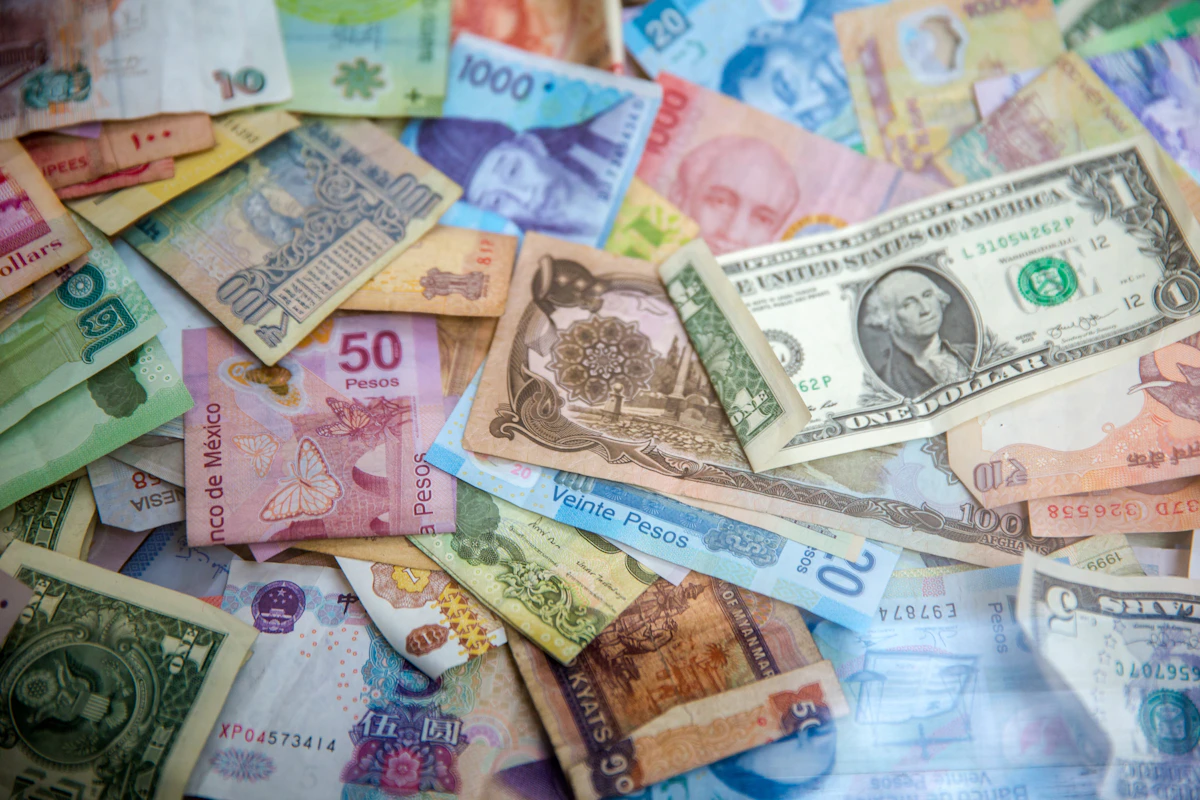
The single most practical piece of preparation for tipping in Ireland is carrying enough euro cash, in the right denominations, throughout the trip. Card-machine tipping works for restaurants and ride-shares but fails for caddies, falls short for housekeeping, and feels impersonal for taxi rounding-up. The right approach is to arrive in Ireland with €100 to €200 already withdrawn, refresh as needed at ATMs throughout the trip, and maintain a balance distributed across small notes (€5, €10, €20) and a few €50 notes for caddie tips and driver-guide gratuities.
For a typical week-long Ireland golf trip, plan for roughly €400 to €600 in cash circulating through tipping alone, with additional euro cash for incidentals (parking, small purchases at clubhouse pro shops that may have card minimums, pub rounds you do not want to put on cards). Withdrawing €100 every couple of days from a bank ATM avoids both empty-pocket scenarios and the fees associated with foreign card use at point-of-sale.
One denomination tip: €50 notes are ideal for caddies, since a typical caddie tip falls in the €30 to €50 range. Carrying a stack of €50s and €20s into a round, with the right amount already separated in your pocket before you reach the 18th green, makes the post-round tip transaction smooth. Standing in the cart park digging through a wallet of mixed notes looking for the right combination is the small inelegance to avoid.
Northern Ireland: Same Etiquette, Different Currency
If your itinerary includes Royal County Down, Royal Portrush, Ardglass, Castlerock, or Portstewart, you cross into Northern Ireland, which uses pound sterling rather than the euro. The tipping etiquette is essentially identical to the Republic, with the amounts simply converted into pounds at roughly equivalent value. A caddie tip of £30 to £40 plays the same social role as a €30 to €50 tip in the Republic. A 10 percent restaurant tip is identical. A driver-guide rate of £80 to £100 per day matches the Irish norm.
The practical complication is currency. If you are traveling exclusively in Northern Ireland, withdraw pounds and ignore the euro question. If you are crossing back and forth between the Republic and Northern Ireland, a common pattern for trips that combine, say, Royal County Down with Ballyliffin, or Royal Portrush with Donegal, carry both currencies and tip in whichever is local. Caddies at Royal County Down expect pounds; caddies at Ballyliffin expect euros. Do not hand euros to a Northern Ireland caddie or pounds to a Republic caddie under the impression that “it all works out.” It does not. Local currency, every time.
The other small Northern Ireland detail: pub etiquette is identical to the Republic, but you are slightly more likely to encounter a tip jar on the bar at country pubs in the North, into which a coin or two is appreciated but not expected. The “one for yourself” convention works equally well in Northern Ireland and is particularly common in country pubs.
Tipping in Cards vs Cash: When to Choose Which
The cash-versus-card question deserves its own brief consideration because the answer affects both your trip planning and the actual benefit reaching the worker. Use cards when: paying restaurant bills with no service charge and where the card-machine tip flows transparently to staff; paying ride-share or taxi fares; settling hotel bills with banquet service charges already applied. Use cash when: tipping caddies (mandatory); tipping forecaddies (mandatory); tipping housekeeping (essential for the tip to actually reach the cleaner); tipping driver-guides (strongly preferred); rounding up taxi fares (cleaner than card adjustment); tipping at pubs with table service.
For restaurants, the question is more nuanced. If you are paying with a card and the bill has a clear “service charge” line at 10 to 12.5 percent, your obligation is complete and no cash tip is needed. If you are paying with a card and there is no service charge, you can either add a tip on the card terminal or leave cash on the table. Cash on the table is the more reliable channel to the actual server; card-terminal tipping in Ireland still carries the risk of pooling and processing fees. If the server has been particularly attentive and you want to ensure they receive your tip, hand it to them in cash with a “thanks for everything tonight.”
What NOT to Do: Tipping Mistakes That Cause Embarrassment
A short list of practices that visiting Americans regularly inflict on Ireland with the best intentions but with awkward consequences. First, do not tip the bartender after every pint at the bar. The first time, you might be excused as foreign; the third time, the bar staff will quietly note that you do not understand the form. The “round on each” approach is for table service, not bar service.
Second, do not double-tip when a service charge is included. Glance at the bill. If you see a service charge, your tip is already there. Adding 18 percent on top because you cannot read the bill carefully is generous in intent but reflects unfamiliarity with the form. Servers will accept the extra; they will also note the imprecision.
Third, do not tip dramatically above standard amounts in cash to caddies, drivers, or hotel staff in the belief that “more is better.” Excessive tipping in Ireland reads as one of two things: showing off or pity. Neither is welcome. The correct social register is calibrated tipping that reflects actual service quality, not maximum tipping that broadcasts wealth.
Fourth, do not tip in dollars or pounds where the local currency is euros (or vice versa in Northern Ireland). Foreign currency requires the recipient to make a trip to a bureau de change, where commissions and unfavorable rates eat 5 to 10 percent of the value. A €30 tip in dollars becomes a €27 tip after currency exchange. Local currency, every time.
Fifth, do not announce the tip. Counting bills loudly, holding up cash for inspection, or saying “I’m leaving you twenty euros” performs a small American social ritual that has no Irish equivalent. The cash transfer is quiet, paired with eye contact and a handshake, and the tip’s value is unstated. The recipient counts the cash later, not in front of you.
Sample Trip Tipping Budget: A 7-Day Ireland Golf Itinerary
To make the abstract concrete, here is a worked example of the tipping budget for a four-player, seven-day Ireland golf trip with a private driver-guide, six rounds of golf with caddies, hotel stays at four-star properties, and dinners out each evening. The total falls in the €350 to €600 range per player across the week.
| Tipping Category | Per Player | Notes |
|---|---|---|
| Caddie tips (6 rounds × €40 average) | €240 | Cash, post-round, per bag |
| Driver-guide share (€100/day × 7 days ÷ 4 players) | €175 | Cash, end of trip |
| Restaurant tips (6 dinners × ~€10) | €60 | 10% where no service charge |
| Hotel porters (3 hotel transitions × €5) | €15 | Cash on bag delivery |
| Housekeeping (6 nights × €2) | €12 | Cash daily on pillow |
| Pub table service (occasional) | €10 | €1–€2 per round, 5–10 rounds |
| Taxi rounding (6 short trips) | €10 | Round-ups across the week |
| Concierge / spa / hairdresser (variable) | €20 | Optional, depends on use |
| Total per player | €542 | Mid-range estimate |
For a foursome, that is roughly €2,200 in cash circulating through tipping over a seven-day trip. Plan accordingly: arrive in Dublin with at least €400 already withdrawn per person, plan to refresh at ATMs midweek, and budget mentally for tipping as a real line item alongside green fees, hotels, and meals rather than as an afterthought.
Related guides
- Ireland Golf Travel Guide (2026) — Practical Tips for Visitors
- Getting Between Golf Courses in Ireland — Distances & Routes
- Irish Golf Etiquette & Dress Codes — What Visitors Need to Know
- Ireland Currency & Money Guide for Golfers — Euro vs Pound & Tips
- Phone & WiFi on an Ireland Golf Trip — Staying Connected Abroad
Frequently Asked Questions
Should I tip my caddie before the round or after?
After. The caddie fee is paid before or at the start of the round through the caddiemaster or pro shop; the tip is handed directly to the caddie at the end, after the 18th hole, in cash with a handshake.
What if my caddie was disappointing, can I tip less or not at all?
You can. A caddie who was uninvolved, distracted, or actively unhelpful does not earn a full tip. A reduced tip of €20 sends the message without being rude; zero tip is acceptable for genuinely poor service but is rare and should be reserved for serious cases. If a caddie was actively offensive, raise it with the caddiemaster rather than handling it solely through tipping.
Are caddie fees and tips combined or separate?
Separate. The caddie fee (typically €60 to €80 per bag in 2026) covers the professional service. The tip (€30 to €50) is in addition and reflects how well the service was delivered. Some clubs handle the fee through the pro shop bill; the tip is always paid directly in cash.
Do I tip the caddiemaster?
Generally no. The caddiemaster manages caddie assignments and is on the club’s payroll. If a caddiemaster goes substantially out of his way, pairing your group with a famously good caddie, accommodating last-minute changes, helping organize a charity day, a €20 tip is a kind gesture, but it is not standard practice.
Is the service charge mandatory or can I refuse it?
In Ireland, service charges are technically discretionary and can be removed from the bill if you ask. In practice, asking to remove a service charge is rarely done unless service was genuinely poor; it creates awkwardness with no real benefit. If service was below standard, raise it directly with the manager rather than via the bill.
How do I handle tipping if I am part of a tour group?
Check the tour package terms. Many premium tour operators include driver gratuities and sometimes caddie tips in the quoted price. Where they are not included, you tip directly as outlined in this guide. If unsure, ask your tour operator before the trip starts and clarify which gratuities are pre-paid.
What about tipping the starter or pro shop staff?
Not standard. Starters and pro shop staff are on the club’s payroll and do not expect tips. If a starter delivers exceptional help, rearranging a tee time, finding equipment in a crisis, a €10 to €20 cash thank-you is a kind gesture but not expected.
Can I tip in US dollars or British pounds in the Republic of Ireland?
You should not. Foreign currency forces the recipient into a costly currency exchange. Use euros in the Republic and pounds in Northern Ireland, every time.
Are tips taxable for Irish workers?
Yes, in principle, Irish tips are subject to income tax through Revenue. In practice, cash tips reach workers more directly than card-pooled tips and are taxed only as part of declared annual income. This is one more reason cash is preferred by workers.
What if I forget my caddie’s tip in the car or hotel room?
Return to the clubhouse and ask the caddiemaster to pass the cash to the caddie by name. Most caddiemasters know their caddies’ contact details and can arrange delivery the next time the caddie is on duty. Do not let the omission slide, Irish caddies remember, and your reputation travels.
Final Thoughts
Tipping in Ireland is a smaller social transaction than American golfers tend to assume, but it is not an unimportant one. The amounts are modest by US standards: 10 to 12.5 percent at restaurants where there is no service charge, €30 to €50 for caddies, €100 a day for driver-guides, single euros for porters and housekeeping. The mechanics matter as much as the amounts: cash, in local currency, handed over with eye contact and a handshake, paired with a sincere thank-you and ideally a specific note about the service. The transaction is quiet, calibrated, and human. It is not a wage component, not a percentage drill, not a card-terminal default. It is a gesture, and Ireland prefers gestures that are accurate to the moment rather than maximized for show.
For golfers visiting Royal County Down, Lahinch, Ballybunion, Tralee, Waterville, Old Head, Portmarnock, and the rest of Ireland’s championship links, the practical takeaway is straightforward. Carry €400 to €600 in cash per person for a week’s tipping, in mixed denominations with €50s available for caddies. Check every restaurant bill for service charges before adding a tip. Do not tip the bartender at the bar; do tip the table service. Hand the caddie €30 to €50 in cash after the round, with thanks. Tip the driver-guide €80 to €120 per group per day at the trip’s end, in an envelope with a sincere word. And remember the underlying logic: in Ireland, less is genuinely more, the gesture matters more than the percentage, and a tip handed over correctly is a small piece of the cultural exchange that makes an Ireland golf trip more than just a series of rounds. Get the tipping right, and you have done one more thing to play the trip the way it was meant to be played.